
2026 Top Farm Tarps for Global Buyers
In 2026, Farm Tarps are becoming practical tools for weather protection, soil management, and safer on-farm storage. Global buyers now expect more than a low price. They compare fabric strength, coating quality, UV resistance, waterproofing, repairability, and delivery reliability. A tarp that looks strong in a catalog may fail after one windy season.
The need is measurable. The FAO’s The State of Food and Agriculture 2019 highlights the continuing cost of food loss across supply chains. The OECD-FAO Agricultural Outlook 2024–2033 also points to pressure from climate variability, rising input costs, and changing production systems. These reports do not focus only on tarps. They explain why dependable protective equipment matters. Grand View Research also identifies steady growth in the global agricultural films market, reflecting wider demand for durable crop and storage covers.
Richard Brzozowski, an agricultural engineer and former University of Maine Extension educator, offers a useful practical reminder: “A tarp is a tool, not a complete production system.” That sentence deserves attention. Farm Tarps can reduce exposure to rain, sun, and wind, but they cannot correct poor drainage or weak anchoring. Buyers should inspect GSM, tear strength, eyelet spacing, seam construction, and temperature performance. Ask for test records. Check actual samples.
Small details matter. A blue cover flapping over stacked hay may protect one edge while damaging another. No tarp wins every field. This guide compares the leading 2026 options for international buyers, while acknowledging that climate, crop type, and installation habits can change the final choice.
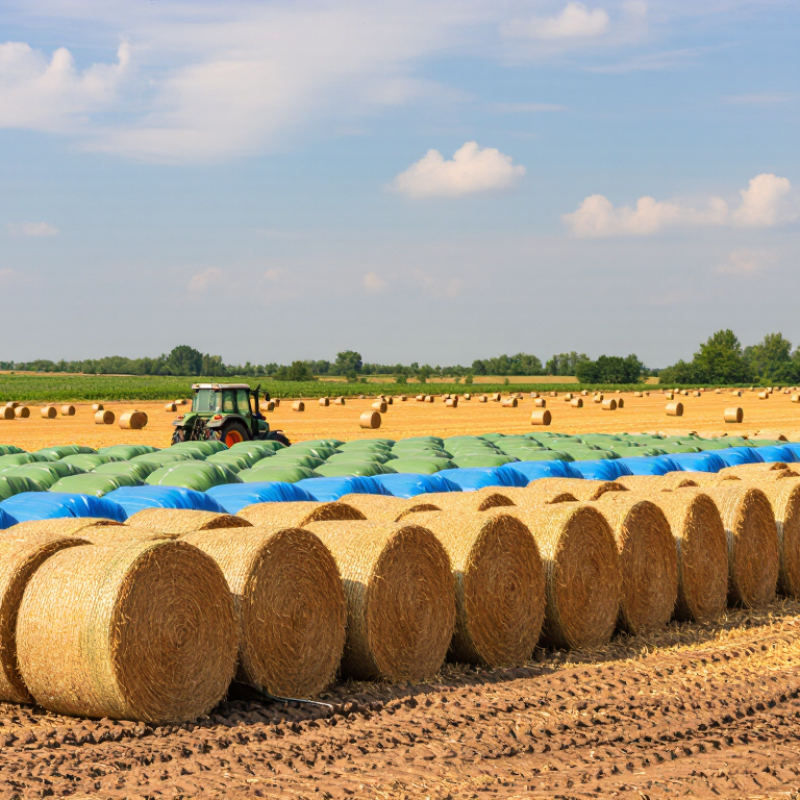
Farm Tarp Types and Their Agricultural Applications
For global buyers in 2026, farm tarp selection should follow the crop, climate, and storage method. Silage tarps use flexible, airtight polyethylene layers to limit oxygen exposure during fermentation. Hay tarps need strong UV resistance, water shedding, and enough ventilation to reduce trapped moisture. Ground covers suppress weeds, stabilize soil, and protect harvested vegetables from splashing rain.
Greenhouse and shade tarps manage sunlight, wind, and sudden temperature changes. In hot regions, breathable woven fabric can reduce heat stress more effectively than fully sealed plastic.
Water-storage covers help limit evaporation and debris, but they require secure edges and safe drainage design. The wrong attachment system can damage both the tarp and the crop.
The FAO’s State of Food and Agriculture 2019 reported that about 14% of global food production is lost between harvest and wholesale. Better crop protection can address part of this loss, although tarps are not a complete solution. FAO’s 2021 assessment estimated annual agricultural plastic use at 12.5 million tonnes, potentially reaching 20.9 million tonnes by 2030. That figure strengthens the case for reusable, repairable materials and responsible end-of-life handling.
Field conditions remain decisive. A heavier tarp is not automatically better. Excess weight may complicate installation, while thin fabric can fail under wind or repeated folding. Buyers should verify UV ratings, tensile strength, seam quality, temperature range, and repair support. Product sheets often omit real loading conditions. That is where recommendations can fail.
Key Materials, Coatings, and Performance Features
Farm tarps face different demands across climates, from harsh sun to steady rain and dusty storage yards. Woven high-density polyethylene is light, flexible, and useful for covering hay, equipment, or feed. Its strength depends on fabric weight, weave, and edge construction, not weight alone. PVC-coated polyester is often heavier and more abrasion-resistant, making it suitable for repeated handling. It may be less convenient to fold and move. A coating is not a cure-all: poor seams can still let water in, while prolonged sunlight can weaken some fabrics. Small details matter.
Tips: Check UV treatment, waterproofing, and temperature guidance against your local conditions. Inspect hems and grommets; reinforced edges and evenly spaced tie points help reduce tearing in wind. Ask for fabric weight, thickness, and test details, since suppliers may describe these differently. That comparison is not always simple.
Think about daily use, too. A tarp dragged over rough timber needs tougher abrasion resistance than one kept over a stationary stack. For hay, allow ventilation where moisture could collect beneath the cover. For equipment, a snug fit helps limit flapping and wear. There is no perfect specification for every farm. I would still compare sample material by touch and inspect stitching before placing a large order.
How to Evaluate Size, Strength, and Weather Resistance
2026 Top Farm Tarps for Global Buyers
How to Evaluate Size, Strength, and Weather Resistance
For global buyers, a farm tarp should fit the job, not just the listing photo. Measure the covered area, then allow extra material for overlap and secure fastening. Check whether listed dimensions describe the tarp itself or the usable coverage; sellers do not always make this distinction clear. Measure twice. On a hay stack, a few extra centimeters can reduce exposed edges, while excess fabric may flap hard in wind.
Strength depends on more than fabric weight. Compare weave density, coating, reinforced hems, and grommet spacing, then match them to handling frequency and expected loads. A heavier tarp can resist abrasion, yet it may be difficult for one worker to position safely. For long outdoor use, review UV resistance and seam construction. Water resistance matters too, but trapped moisture beneath a tightly covered crop can encourage spoilage. Leave suitable ventilation where the stored material requires it. No spec sheet tells the whole story.
Tips
Ask which test method supports claims such as waterproof or UV-resistant, and confirm repair options before ordering. Inspect stitching and corners when the tarp arrives. Feel the edge. In severe conditions, trial one tarp through a full weather cycle before buying in volume. Don’t rely on color or thickness alone; neither proves service life.
Regional Climate Needs and Global Buying Considerations
Farm tarps are not one-size-fits-all: sun, rain, wind, and storage habits change what works. In humid regions, breathable woven covers can help limit trapped moisture around hay, while proper airflow remains essential. For hot, dry fields, UV-stabilized material matters because prolonged sun can make ordinary fabric brittle. In snowy areas, a tarp must shed water and snow without pooling; check the support structure too.
Wind changes everything. Coastal buyers should examine reinforced hems, secure tie points, and corrosion-resistant hardware, since gusts can turn loose edges into tears. Tropical rainfall calls for reliable waterproofing and adequate slope, not simply the thickest available sheet. Ask suppliers for fabric weight, UV-treatment details, finished dimensions, and repair options in writing. A heavier tarp may last longer, but it also costs more to ship and can be harder to handle.
Global buyers should compare specifications in consistent units and confirm whether dimensions describe the finished cover or cut fabric. Request a sample or a clear product data sheet before placing a large order. Check packing size, lead time, and replacement-part availability against the farm’s busiest season. I would not call any single grade “best” without knowing local wind exposure and how often crews move it. That uncertainty is useful.
2026 Top Farm Tarps for Global Buyers - Regional Climate Needs and Global Buying Considerations
| Region | Typical Climate Challenges | Common Farm Uses | Practical Tarp Construction | Key Features to Consider | Global Buying Checks |
|---|---|---|---|---|---|
| North America | Conditions vary widely, including snow, seasonal rain, strong sun, and high winds. | Covering hay, grain, machinery, feed, and temporary work areas. | Woven polyethylene tarpaulin around 180–250 g/m² for general outdoor use; heavier construction may suit prolonged exposure or rough handling. | Reinforced hems, securely fitted eyelets, and UV-stabilized material. For snow, use a suitable frame or sloped support rather than allowing heavy snow to collect. | Confirm finished size, packed weight, eyelet spacing, and whether the stated weight is for the finished tarp or base fabric. |
| Europe | Frequent rain and damp conditions in many areas; coastal and exposed sites can experience strong winds. | Protecting stored crops, equipment, silage, and farm supplies from rain. | Water-resistant, coated woven polyethylene around 150–250 g/m² for general covers; consider a heavier-duty option for repeated handling. | Strong seams and hems, corrosion-resistant eyelets, and secure tie-down points. Keep covered crops ventilated where moisture buildup could be a concern. | Check applicable chemical and product-safety requirements for the intended use, especially where the tarp may contact feed or crops. |
| South Asia | Intense monsoon rainfall, high humidity, and strong solar exposure in many locations. | Temporary crop protection, covering equipment and materials, and shielding harvests during transport or storage. | UV-stabilized coated woven polyethylene, commonly around 180–250 g/m² for outdoor use; select construction according to exposure and handling frequency. | Water-shedding setup, sealed or well-finished edges, reinforced corners, and tie-downs that reduce wind lifting. Allow airflow when covering moisture-sensitive crops. | Ask for UV-stabilization details, packed dimensions, and documented water-resistance test information where available. |
| Sub-Saharan Africa | High UV exposure and heat in many areas, with seasonal heavy rain and dust in some regions. | Covering hay, grain, tools, farm machinery, and supplies stored outdoors. | UV-stabilized woven polyethylene around 180–250 g/m² for many general-purpose applications; heavy-duty options may be preferable for frequent reuse. | UV-resistant construction, reinforced edges, strong eyelets, and reliable fastening. A light-colored surface may reflect more sunlight than a dark one. | Compare expected outdoor service conditions, warranty terms, repairability, and replacement availability—not weight alone. |
| Middle East and North Africa | Strong sunlight, high temperatures, dust, and occasional intense rain or wind. | Shade and protection for equipment, feed, supplies, and temporary storage. | UV-stabilized woven polyethylene around 180–250 g/m² for many covers; PVC-coated fabric can be considered for demanding repeated-use applications where its added weight and cost are acceptable. | UV resistance, abrasion-resistant hems, secure anchoring, and a design that avoids heat and water pooling. Do not enclose heat-sensitive goods without ventilation. | Check operating-temperature information, material composition, flame-performance claims if relevant, and local import requirements. |
| East and Southeast Asia | Humid conditions, seasonal heavy rain, typhoons in some areas, and high UV exposure. | Covering harvests, machinery, feed, and farm inputs during storage or movement. | Coated woven polyethylene around 180–250 g/m² for general outdoor protection; choose stronger reinforcement for exposed sites and frequent handling. | Reinforced corners, dependable seams, evenly spaced tie-down points, and an installation plan that limits wind uplift and allows drainage. | Confirm the tarp’s finished dimensions, packaging, shipping weight, and whether color or coating options affect lead time. |
| Oceania | Strong UV exposure across many areas; exposed farms may also face wind, coastal salt, or seasonal rain. | Protecting hay, machinery, feed, and supplies during outdoor storage and transport. | UV-stabilized woven polyethylene around 180–250 g/m² for general use; consider reinforced heavy-duty construction for long exposure or rough conditions. | UV performance, durable hems, corrosion-resistant eyelets in coastal settings, and tie-downs suited to local wind exposure. | Check UV test claims and warranty conditions, including any limits related to local climate, installation, and expected service life. |
Selection note: These material weights are practical comparison ranges, not universal standards. Actual service life depends on fabric construction, UV exposure, installation, wind loading, abrasion, and care. Choose a tarp size that can be securely fastened, provide drainage, and follow local rules for crop, feed, and chemical contact.
Installation, Maintenance, Safety, and Service Life
2026 Top Farm Tarps for Global Buyers
Installation, Maintenance, Safety, and Service Life
A reliable farm tarp begins with correct installation, not just heavy fabric. Select a size that allows firm tension without stretching the edges. Anchor points should match expected wind, rain, and snow loads. Keep sharp corners away from the material. Even strong tarps can tear when rubbing against unfinished timber or metal. Leave a slight slope for drainage, because standing water adds surprising weight. Local weather data should guide the anchoring plan.
Service life depends on sunlight, folding habits, moisture, and daily movement. UV-resistant coatings can slow aging, but they cannot stop it. Store the tarp completely dry, loosely rolled, and raised from the ground. A dark, cool storage area is preferable. Field inspections often reveal neglected edges before major damage appears. Still, no inspection catches everything. I have seen carefully installed covers fail after repeated wind vibration. That is why buyers should review load ratings, repair guidance, and material specifications before purchase. Safety remains practical: never climb onto a wet tarp, and keep people clear during removal.