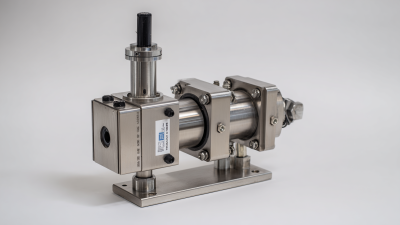
What is a 3 Way Ball Valve and How Does It Work?
The 3 way ball valve is a crucial component in various industries. Its unique design allows for efficient flow control in multiple directions. According to recent industry data, the global valve market is expected to reach $99 billion by 2026. A significant portion of this growth will come from the increasing demand for 3 way ball valves.
These valves are widely used in sectors such as oil and gas, water treatment, and HVAC systems. They enable precise flow regulation, ensuring optimal operation. However, the complexity in installation and maintenance is often overlooked. Some may underestimate the need for skilled professionals to manage these systems effectively.
Understanding how a 3 way ball valve functions can help prevent costly mistakes. These valves can switch flow paths, making them versatile for different applications. Yet, users must be aware of potential failure points. Regular inspections and adherence to industry standards are essential for maintaining functionality.
What is a 3 Way Ball Valve?

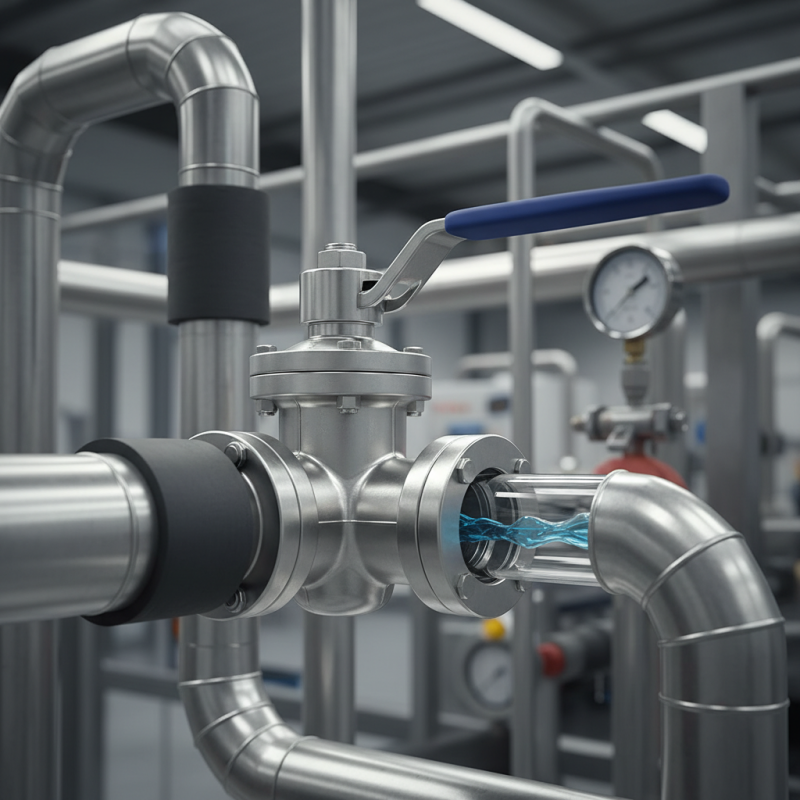
A 3-way ball valve is a versatile component in fluid management. It allows for the control of flow between three different paths. Often used in various industries, this valve simplifies complex piping systems. It features a spherical disc with a hole in the middle. When the valve rotates, it can direct flow in multiple directions.
One of its main functions is to switch flow paths. Think of it as a traffic director for liquids or gases. You can easily divert fluid from one line to another. This capability enhances efficiency in systems. However, installation can be tricky. Incorrect positioning may lead to leaks or malfunctions. Regular maintenance is essential for optimal function.
The design of a 3-way ball valve varies. Some are configured with a T shape while others have an L shape. The choice depends on the application. Keep in mind that each type has its pros and cons. Understanding these details is crucial. Mistakes in selection can cause major issues. Always consider the specific requirements of your system.

Design and Components of a 3 Way Ball Valve
A 3-way ball valve is an important component in various piping systems. Its design features three ports, allowing fluid flow to be directed in multiple directions. The main body is typically a hollow sphere. This sphere has a hole through its center, acting as the valve's opening.
The valve operates through a simple mechanism. When the handle is turned, the sphere rotates. This rotation aligns the ports, permitting fluid to flow in the desired direction. It's essential for controlling and diverting flows in industrial applications. The construction typically includes durable materials to withstand pressure and corrosion.
However, not all 3-way ball valves function perfectly every time. Sometimes, the seals wear out, leading to leaks. Regular maintenance is crucial but often overlooked. Improper installation can also cause issues. Watching for signs of wear and ensuring proper alignment can prevent major failures. Understanding these components is vital for effective operation.
How a 3 Way Ball Valve Operates
A 3 way ball valve is a critical component in various piping systems. It allows for the regulation of flow between three different paths. The design features a hollow sphere, or ball, with an opening that can be positioned in different orientations.
When it comes to operation, the valve rotates to direct the flow. For instance, turning the handle 90 degrees can change the flow direction entirely. The ball creatively sits at the junction points, controlling the pathway of liquids or gases. Adjusting the valve alters the route and influences pressure and flow rates.
However, while simple in theory, installation errors can lead to inefficiencies. Angle measurements may not align correctly. The maintenance needs are also essential; wear and tear can compromise functionality. Observing regular inspections is crucial. Mistakes can occur, but understanding these nuances makes troubleshooting easier. Knowing how a 3 way ball valve operates is vital for ensuring optimal performance in any plumbing system.
Applications of 3 Way Ball Valves in Various Industries
3 way ball valves are versatile components used across many industries. They allow flow to be directed in multiple ways. This function is crucial in systems where space and efficiency are key. For instance, in water distribution networks, they help manage flow direction without needing multiple separate valves.
In the oil and gas industry, the role of 3 way ball valves is significant. They can switch the flow between different pipelines, ensuring safe and efficient operations. In chemical processing, they manage the mixing of substances. However, improper installation can lead to leaks. This can cause safety risks and environmental issues. Regular maintenance is critical to prevent such failures.
Food and beverage industries also utilize 3 way ball valves. They control liquid flow and help maintain hygiene. However, if not cleaned properly, these valves can become breeding grounds for bacteria. This raises serious health concerns, showing that even small components play a big role in quality assurance.
Advantages of Using 3 Way Ball Valves Over Other Types
3-way ball valves offer several advantages compared to other valve types. Their design allows for the effective regulation of flow in multiple directions. This versatility is perfect for applications needing fluid diverting or mixing. They can manage two inlet and one outlet connection efficiently.
Using a 3-way ball valve can enhance system reliability. These valves typically have lower leakage rates. Their compact size can save installation space. However, proper installation is crucial to avoid issues. A misplaced valve can lead to flow disruptions.
Tip: Always check the compatibility of materials with your fluids. This prevents corrosion or damage. Regular maintenance is key to keeping these valves functional. Small wear can lead to bigger problems later.
3-way ball valves can be complex, sometimes requiring careful calibration. Improper handling may lead to malfunctions. Make sure to follow guidelines closely. This ensures a better performance and longer lifespan. Balancing the advantages with careful consideration is essential.
Related Posts
-
What Makes a Pneumatic Ball Valve the Best Choice for Industrial Applications
-
Embracing Innovation in the Future of Best Motorized Valve Technology
-
Mastering the Basics of 3 Way Ball Valve Installation and Maintenance Guide
-
Understanding the Benefits and Applications of PVC Ball Valves in Modern Plumbing Systems
-
How to Choose the Right High Pressure Ball Valve for Your Needs?
-
2025 Top PVC Ball Valve Types: A Comprehensive Guide to Choosing the Best