
Best Pneumatic Control Valve for Optimal Performance Efficiency?
In various industries, the pneumatic control valve plays a crucial role in optimizing performance efficiency. According to a recent industry report from the Flow Control Journal, pneumatic systems account for approximately 70% of industrial automation applications. This high percentage highlights the vital importance of selecting the right pneumatic control valve.
The efficiency of these valves directly impacts system reliability and energy consumption. An improperly selected valve can lead to increased operational costs and reduced productivity. The International Society of Automation states that well-chosen pneumatic components can improve energy efficiency by up to 30%. But how often do manufacturers overlook this critical aspect?
Choosing the best pneumatic control valve requires careful consideration of design, materials, and specifications. Each application may pose unique challenges that call for tailored solutions. Evaluating performance metrics can be daunting, and many solutions may not be as straightforward as anticipated. Balancing efficiency and cost is key, and companies must remain vigilant against complacency in their selection processes.
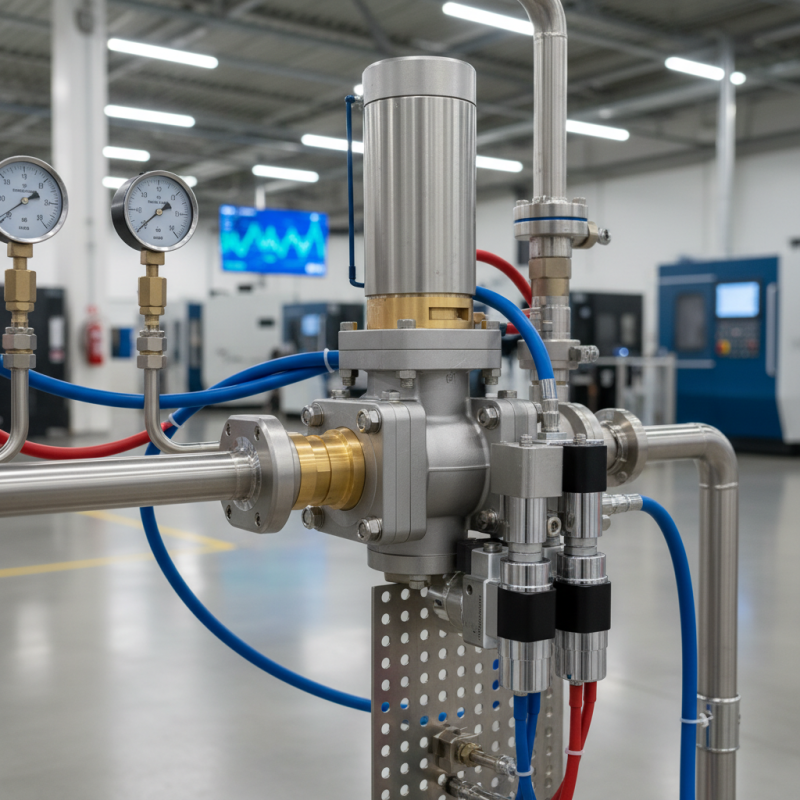
Understanding Pneumatic Control Valves and Their Importance
Pneumatic control valves are crucial in numerous industries, including manufacturing, oil and gas, and pharmaceuticals. They regulate airflow and control pressure within systems, ensuring optimal operation. According to the Flow Control Magazine, an estimated 30% of energy consumption in industrial processes can be attributed to inefficient valve performance. Choosing the right valve can significantly improve efficiency.
These valves are designed to minimize pressure loss. However, improper selection can lead to system inefficiencies. For instance, selecting a valve with a mismatched Cv (flow coefficient) can hinder performance. A study by the International Society for Automation indicates that 40% of pneumatic systems underperform due to inadequate valve specifications.
Regular maintenance plays a vital role in ensuring their reliability. Over time, wear and tear can affect performance. Dust and contaminants can also impact their operation. Reports from the Institute of Electrical and Electronics Engineers suggest that nearly 25% of valve-related failures arise from a lack of proper upkeep. Therefore, understanding the nuances of pneumatic control valves is essential for maintaining system integrity and maximizing performance.
Best Pneumatic Control Valve for Optimal Performance Efficiency
| Valve Type | Size (Inches) | Pressure Rating (PSI) | Material | Applications |
|---|---|---|---|---|
| Diaphragm Valve | 1 | 150 | Stainless Steel | Water Treatment |
| Ball Valve | 2 | 300 | Brass | Gas Distribution |
| Globe Valve | 1.5 | 200 | Cast Iron | Steam Control |
| Butterfly Valve | 4 | 150 | PVC | Chemical Processing |
| Check Valve | 3 | 250 | Aluminum | Water Supply |
Key Features to Consider for Optimal Performance in Pneumatic Control Valves
When selecting pneumatic control valves, several key features significantly influence their performance efficiency. One crucial aspect is the valve sizing. Proper sizing ensures the valve can support the required airflow without excessive pressure drops. A report from the International Society of Automation indicates that poorly sized valves can result in a 30% loss of system efficiency, highlighting the importance of diligent calculations.
Another important feature to evaluate is the valve response time. A quicker response time enhances process control accuracy. According to a study published in the Journal of Fluid Control, valves with response times faster than 100 milliseconds have been shown to improve system performance by 20%. This efficiency boost can lead to substantial savings in operational costs.
Moreover, the material and design of the valve affect its reliability under various conditions. Pneumatic control valves made from corrosion-resistant materials tend to last longer in harsh environments, reducing maintenance needs. Yet, some materials may not withstand extreme temperatures, leading to potential failures. Understanding these trade-offs is essential when making informed decisions.
Types of Pneumatic Control Valves and Their Applications
Pneumatic control valves play a crucial role in various industrial applications. They regulate the flow of air in pneumatic systems. Understanding the types of pneumatic control valves is vital for optimal performance.
One common type is the directional control valve. It determines the path of airflow. These valves are used in actuators and cylinders, with applications including robotic arms and automated machinery.
Another type is the pressure control valve. It regulates the pressure within the system, helping protect equipment and ensure safety.
Tips: Choose the right valve based on your system’s requirements. Evaluate the required flow rate and pressure. Consider environmental factors like temperature and humidity.
Lastly, there are flow control valves. They maintain the desired air flow rate and are useful in processes needing precise control. Be aware that improper valve selection can lead to inefficiencies. Always review your choices, as even small mistakes can cause significant disruptions.
Evaluating Performance Efficiency: Metrics and Standards
In the realm of pneumatic control valves, performance efficiency serves as a crucial benchmark. Evaluating this efficiency involves several metrics and standards. One primary aspect is flow coefficient (Cv), which measures the valve's capacity. A higher Cv indicates better flow efficiency, yet it may not be the only consideration. Ensuring the right balance between flow and pressure drop is essential for optimal operation.
Another critical metric is response time. Quick response ensures the system maintains control during varying conditions. However, achieving rapid actuation can sometimes compromise precision. This trade-off requires careful evaluation. What's deemed efficient for one application may not translate well to another.
In addition, empirical data from field tests can shed light on real-world performance. Users often encounter discrepancies between theoretical models and practical applications. Such gaps can highlight areas for improvement. By analyzing performance data, engineers can pinpoint specific issues and initiate design modifications. It’s a continuous journey towards enhancing performance efficiency in pneumatic control valves.
Performance Efficiency of Pneumatic Control Valves
This chart illustrates the performance efficiency of different types of pneumatic control valves based on key metrics such as flow rate, pressure drop, and response time. Observing these metrics helps in selecting the optimal valve for specific applications.
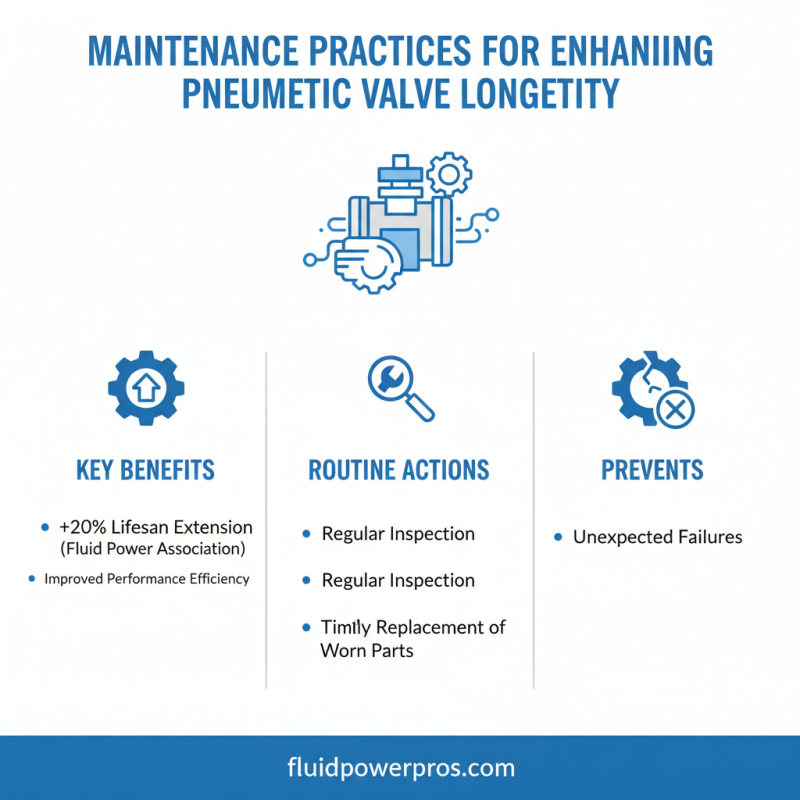
Maintenance Practices for Enhancing the Longevity of Pneumatic Valves
Pneumatic valves play a crucial role in industrial applications. Regular maintenance can significantly enhance their longevity and performance efficiency. According to a report by the Fluid Power Association, proper care can extend the lifespan of pneumatic components by up to 20%. Routine inspection and timely replacement of worn parts can prevent unexpected failures.
It is essential to keep the valve clean and free from contaminants. Dirt and debris can lead to malfunctions, causing costly downtime. Regularly check for leaks, as even small leaks can waste resources and impact system efficiency. Engaging in proactive maintenance not only saves costs but also reinforces reliability.
**Tip:** Implement a scheduled maintenance plan. Consistent upkeep shapes performance. Inspect components every three months, and document findings for future reference.
**Tip:** Use appropriate lubricants. They reduce friction and wear. Inadequate lubrication can lead to multiple issues, such as valve sticking.
Understanding and applying effective maintenance practices ensures optimal functioning. The investment in routine checks pays off in operational efficiency, making it vital for industrial processes. Consider reevaluating your current practices to identify areas for improvement.
Related Posts
-
Top 10 Motorized Valves: Best Options for Efficiency and Control
-

Top Strategies for Maximizing Efficiency with Pneumatic Control Valves
-
Global Excellence in Control Valve Manufacturing China Leads the Way
-
How to Select the Best Pneumatic Valve for Your Industrial Applications
-
Elevating Global Standards through Best Control Valve Solutions Made in China
-
Embracing Innovation in the Future of Best Motorized Valve Technology