
Why Choose a Static Balancing Valve for Your System Needs?
In modern HVAC systems, the choice of components greatly impacts efficiency. A Static balancing valve (SBV) is crucial for ensuring proper flow distribution. According to a recent report by the American Society of Heating, Refrigerating, and Air-Conditioning Engineers, the use of SBVs can improve energy efficiency by up to 30%. This statistic underscores the importance of selecting the right valve for system needs.
Expert James LaRue, a renowned voice in the valve industry, stated, "Static balancing valves offer a reliable solution to critical flow control." His insights highlight the significance of SBVs in maintaining system performance and reliability. A properly functioning SBV ensures that each section of a system receives the necessary fluid flow. This helps avoid issues like over-pressurization.
However, not all static balancing valves are created equal. Installation and maintenance can reveal gaps in performance. Some systems may still experience inefficiencies due to improper sizing or placement of the valves. A thorough evaluation is necessary to leverage the full potential of SBVs. By recognizing these challenges, system designers can make informed decisions that enhance overall performance.
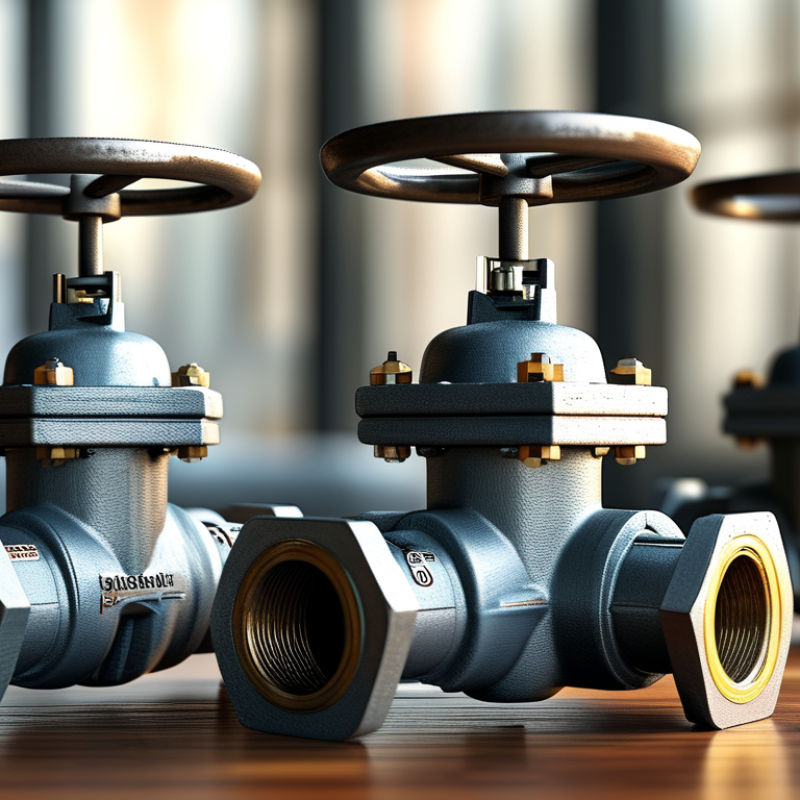
Introduction to Static Balancing Valves and Their Purpose
Static balancing valves play a crucial role in hydraulic systems. They help manage the flow of water or fluids, ensuring balanced distribution throughout the system. In many setups, particularly in commercial buildings, maintaining consistent pressure and flow is essential for efficiency. These valves adjust the flow to each part of the system, which can lead to energy savings and optimized performance.
Adopting static balancing valves can significantly prevent issues like uneven heating or cooling in HVAC systems. An imbalance can cause overworking of certain components, leading to increased energy use. If a system is imbalanced, some areas may heat up too quickly while others remain cold. This inconsistency affects comfort levels and raises utility bills.
Using static balancing valves not only enhances system efficiency but also prolongs the equipment’s lifespan. However, it’s important to note that improper installation or maintenance can lead to problems. Regular checks can ensure that the valves operate effectively, avoiding costly repairs down the line. Understanding these operational needs is vital for anyone managing building systems.
Key Benefits of Using Static Balancing Valves in HVAC Systems
Static balancing valves are essential in HVAC systems for optimizing performance. These valves ensure even distribution of water throughout the system. By maintaining proper flow rates, they help to prevent issues like noise and uneven heating or cooling. One notable advantage is energy savings. A balanced system consumes less energy, leading to lower utility bills.
Another key benefit is improved comfort. When balanced correctly, areas receive consistent temperatures. This reduces hot and cold spots, enhancing overall satisfaction in residential and commercial spaces. However, achieving perfect balance isn't always straightforward. It requires careful planning and sometimes trial and error.
Installation can be challenging for those unfamiliar with HVAC systems. Proper calibration of static balancing valves is crucial. If overlooked, it can lead to inefficiencies. Regular maintenance checks are necessary to ensure optimal performance.
While static balancing valves offer significant advantages, they need attention and expertise to function effectively.
How Static Balancing Valves Improve System Efficiency and Performance
Static balancing valves play a crucial role in optimizing system efficiency. They maintain water flow across various components. By adjusting the flow, these valves ensure that each system part operates at its ideal capacity. This leads to better overall performance and reductions in energy waste.
A well-balanced system decreases energy consumption. This efficiency translates to lower operational costs. If the flow is not balanced, some areas may overheat or underperform. To avoid this, regular inspections are key. Checking valve settings helps maintain optimal conditions.
Tips for improving system performance include: Always verify valve settings after installation. An incorrectly set valve can disrupt flow. Regular maintenance checks can prevent larger issues. Simple adjustments can lead to significant improvements in energy efficiency. Emphasizing proper balance can create a more reliable system.
Installation Considerations for Static Balancing Valves
When considering static balancing valves, installation is crucial. Proper placement can enhance system efficiency and performance. It's important to assess the layout of your piping. Ensure that the valve is accessible for future adjustments. Keep in mind the orientation of the valve. It should fit the flow direction specified in the design.
Attention to detail during installation can prevent common issues. Inadequate sealing may lead to leaks. Flushing the system before installation is essential to remove debris. This step can avoid blockages and ensure a smooth operation. Regular maintenance checks after installation help identify potential problems early.
Using the right tools will aid in achieving a proper fit. Wrenches that fit snugly prevent damage to the valve. Sometimes, a valve might not perform as expected, prompting a reevaluation of the installation. Collect feedback from those operating the system to make necessary adjustments. Remember to consider temperature changes, as they affect performance. Every step matters when aiming for a balanced and efficient system.
Why Choose a Static Balancing Valve for Your System Needs? - Installation Considerations for Static Balancing Valves
| Dimension/Aspect | Description |
|---|---|
| Flow Rate | The amount of fluid that can pass through the valve per unit time, typically measured in gallons per minute (GPM). |
| Pressure Drop | The difference in pressure across the valve that affects performance, measured in pounds per square inch (PSI). |
| Material | Common materials include brass, bronze, and plastic, chosen based on fluid compatibility and durability. |
| Installation Location | Valves should be installed in easily accessible locations to facilitate maintenance and operation. |
| Operating Temperature | The temperature range the valve can operate within, essential for ensuring proper function and longevity. |
| Maintenance Needs | Static balancing valves typically require periodic inspection and adjustment for optimal performance. |
| Cost | Initial acquisition cost as well as long-term savings from energy efficiency and reduced maintenance. |
Comparing Static Balancing Valves with Other Balancing Solutions
Static balancing valves offer a straightforward solution for hydraulic balancing. Unlike dynamic valves, they maintain a fixed flow rate despite pressure fluctuations. This reliability is crucial in many systems, ensuring equal water distribution to all parts. Users often appreciate the simplicity of installation. However, some may find them less flexible in adjusting flow rates.
When comparing static balancing valves to other solutions, unique advantages emerge. Static valves require minimal maintenance and have fewer moving parts. This stability often leads to longer lifespans. In contrast, dynamic balancing valves can automatically adjust. But they can be more complicated to install and service. Sometimes, users may end up investing more time and effort with dynamic options.
It's essential to evaluate your specific needs carefully. Some systems may benefit from the adaptability of dynamic valves. Others might thrive with the reliability of static options. Reflecting on your priorities can help guide your decision. Balancing performance, cost, and maintenance will enhance overall system efficiency.