
How to Choose the Best Thermoelectric Cooler for Your Needs?
When choosing the best Thermoelectric Cooler, several factors come into play. These devices use Peltier technology to provide efficient cooling without the need for refrigerants. Understanding how they operate is crucial for making an informed choice.
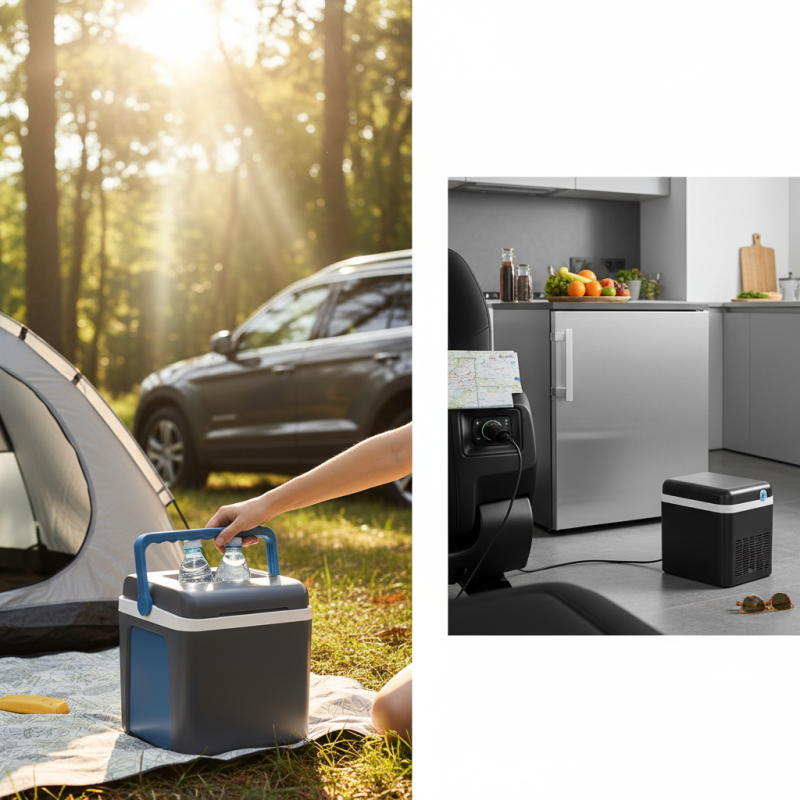
The right Thermoelectric Cooler depends on your specific needs. Different models offer varying cooling capacities, sizes, and power consumption. For instance, if you plan to use it for camping, portability and battery life are essential. Conversely, those seeking a permanent solution may prioritize larger cooling power and efficiency.
Despite their advantages, Thermoelectric Coolers have limits. They may not perform well in extremely hot environments. Also, their energy consumption can add up over time. Assessing these factors can help you avoid common pitfalls and choose a cooler that suits your lifestyle. Balancing performance with practical needs is key to finding the ideal Thermoelectric Cooler.
Understanding Thermoelectric Coolers: Basic Principles and Functionality
Thermoelectric coolers (TECs) operate on the principle of the Peltier effect. This effect occurs when an electrical current passes through two different types of conductors. The result is a temperature difference, allowing one side to cool while the other side heats up. This functionality makes TECs versatile in many applications, from portable coolers to electronic device cooling.
When choosing a thermoelectric cooler, consider your specific needs. Assess the size and capacity based on the items you intend to cool. A larger cooler may offer more space, but it will also need more power. Also, think about the temperature range. Some coolers may not reach very low temperatures, which can be crucial for certain uses.
Tips: Always check the power source requirements. Lack of adequate power can limit the cooler’s performance. Ensure proper ventilation around the unit. Poor airflow can cause overheating, affecting the cooling efficiency. Additionally, if you plan to run it continuously, investing in a higher-quality model may save you from future issues. Keep in mind, not all coolers perform the same, and personal experiences may vary.
Thermoelectric Cooler Performance Analysis
This bar chart compares the performance metrics of three different thermoelectric coolers based on four key dimensions: Cooling Capacity (W), Power Consumption (W), Price ($), and Noise Level (dB). Analyzing these metrics can help in selecting the best thermoelectric cooler to meet your specific needs.
Key Factors to Consider When Choosing a Thermoelectric Cooler
When choosing a thermoelectric cooler, several key factors come into play. Efficiency is crucial; units with better thermoelectric materials can operate at lower energy costs. Research indicates that high-quality cooler units can achieve efficiencies of up to 60%, leading to significant energy savings over time. Look for models with Peltier elements known for optimal thermal performance, as these often offer better cooling outputs.
Size and portability also matter. Depending on your needs, a large unit might be impractical. Many users favor compact models that are lightweight and easy to transport. A recent industry report highlighted that nearly 40% of consumers prioritize portability over cooling capacity. This statistic underscores the importance of understanding your intended use before making a decision.
Additionally, noise levels are a common concern. Some models operate quietly while others can be noisy, which may impact user experience. Studies show that units operating above 50 decibels are perceived as disruptive in quiet settings. Consider where you plan to use the cooler, as noise can become a major drawback depending on the environment. Balancing efficiency, size, and noise will lead to a more satisfying purchase decision.
How to Choose the Best Thermoelectric Cooler for Your Needs?
| Feature | Description | Importance Level |
|---|---|---|
| Cooling Capacity | Measured in watts, indicates how much heat the unit can remove. | High |
| Size and Portability | Dimensions and weight affecting storage and transport. | Medium |
| Power Consumption | Energy use efficiency, affecting operating costs. | High |
| Noise Level | The amount of noise produced during operation. | Medium |
| Temperature Range | The minimum and maximum temperatures the unit can achieve. | High |
| Usage Type | Intended use: personal, camping, or industrial. | High |
| Build Quality | Materials used and durability of the cooler. | Medium |
| Price | Total cost and value for performance. | High |
Comparing Different Types of Thermoelectric Coolers on the Market
When evaluating thermoelectric coolers, it’s essential to compare the different types available. The market offers several models, each with unique features tailored to specific needs. Research indicates that portable models account for about 40% of sales, primarily due to their versatility. These coolers are great for camping or road trips, providing on-the-go refrigeration without ice.
Conversely, desktop thermoelectric coolers are gaining traction. These units are often used in home offices and small spaces. According to a recent industry report, they are effective for keeping beverages chilled. Their compact design allows easy placement on desks without taking up much space.
Another category includes larger thermoelectric coolers designed for more extensive applications. While these coolers can accommodate larger quantities, they may require more energy. Users often need to weigh power consumption against cooling capacity. Some buyers find themselves dissatisfied when their cooler fails to meet expectations. It emphasizes the importance of carefully assessing individual needs. Each type of cooler has its pros and cons, affecting reliability and user experience.
Assessing Energy Efficiency and Performance Ratings
When selecting a thermoelectric cooler, evaluating energy efficiency and performance ratings is crucial. Energy efficiency determines how effectively the device converts power into cooling. Look for models with high EER (Energy Efficiency Ratio) ratings. A higher EER indicates more cooling per watt of energy consumed. This is significant for reducing electricity bills and minimizing environmental impact.
Performance ratings often reflect real-world usability. A unit may have excellent specs but perform poorly in high ambient temperatures. Check user reviews to find insights on performance during various conditions. This helps identify any flaws or hidden strengths of the cooler you consider.
Tips: Before making a purchase, compare different models based on energy consumption. Aim for a product with at least a 2:1 cooling power to energy consumption ratio. Also, consider the noise level. A quieter unit enhances comfort, especially in bedrooms or workspaces. Lastly, look for reliable customer service and warranty support. It adds peace of mind and builds trust in your purchase.
Practical Applications: Choosing a Cooler for Specific Use Cases
When selecting a thermoelectric cooler, consider specific applications. For outdoor enthusiasts, a reliable cooler can enhance camping trips. Research shows that portable coolers can maintain temperatures up to 30°F below ambient. This ability ensures that food and drinks remain fresh for extended periods. Keep in mind that size and weight are crucial for carrying ease.
For home use, look for coolers that serve multiple purposes. Whether you need one for wine storage or cooling small electronics, versatility is vital. Some models can operate silently, making them perfect for indoor settings. Industry reports indicate that consumers prefer coolers with energy-efficient designs. These options can save costs on electricity bills over time.
While features matter, reflect on what you truly need. It's easy to get swayed by flashy capabilities. Evaluate your daily habits and specific cooling needs. For instance, if you rarely use a cooler, a simpler model may suffice. Each choice holds implications beyond just performance; it impacts sustainability as well.