
How to Choose the Right PVC Tarpaulin for Your Needs?
When selecting the right PVC Tarpaulin for your projects, clarity is key. PVC Tarpaulins are versatile materials widely used in various applications such as outdoor events, truck covers, and construction sites. Understanding your specific needs is essential.
Consider the weight, thickness, and color of the PVC Tarpaulin. Heavier tarps offer more durability, while lighter ones are easier to handle. Each choice comes with its pros and cons. For example, a thicker tarp may resist harsh weather but might be bulkier to transport.
Additionally, be mindful of possible shortcomings. Not all PVC Tarpaulins are created equal. Some may fade quickly under sunlight, while others might not provide the waterproofing expected. Reflecting on these factors will help you make an informed decision. Choosing the right PVC Tarpaulin can enhance your project’s success significantly.
Understanding PVC Tarpaulin: Types and Their Applications
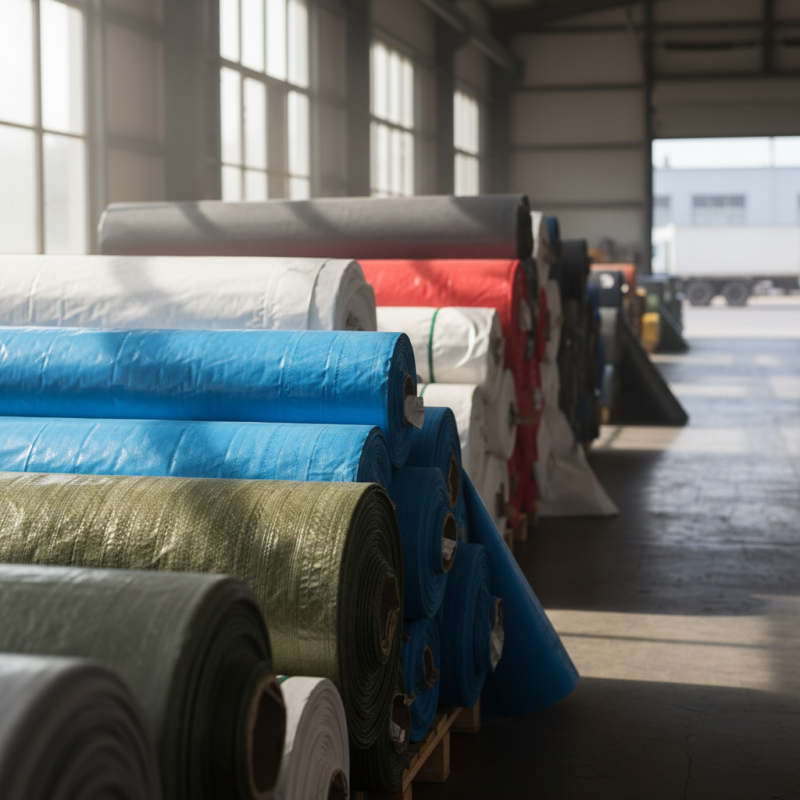
PVC tarpaulin is a versatile material widely used in various industries. It comes in several types, each designed for specific applications. The two main types are reinforced and coated tarpaulins. Reinforced tarpaulin offers enhanced durability, making it suitable for construction sites. Coated tarpaulin, on the other hand, is lightweight and water-resistant, ideal for outdoor events.
According to industry reports, the global PVC tarpaulin market was valued at approximately $4.5 billion in 2022, with a projected growth rate of around 5.2% annually. This growth is driven by the increasing demand for protective covers. Event organizers often prefer coated tarpaulin for tents while construction firms lean towards reinforced types for their robustness. Specific applications include truck coverings, swimming pool covers, and agricultural uses.
While PVC tarpaulin is versatile, its environmental impact raises concerns. PVC production involves harmful chemicals, and disposal can be problematic. Additionally, not all PVC tarpaulins are created equal. Some may have issues with UV resistance and durability. It's essential to consider long-term use and sustainability when selecting.
Key Factors to Consider When Choosing PVC Tarpaulin
When choosing the right PVC tarpaulin, several key factors come into play. First, the material's thickness is crucial. A thicker tarpaulin typically offers better durability. But, it also means more weight. This might be a disadvantage if portability is essential for your needs.
Next is the intended use. Are you using the tarpaulin for outdoor events, truck covers, or construction sites? Different applications require differing levels of UV resistance and waterproofing. Consider the environment where the tarpaulin will be placed. Will it face harsh weather or constant sun exposure? These can drastically impact longevity.
Color and design can also matter. Lighter colors reflect sunlight, reducing heat buildup. Darker colors, on the other hand, may absorb heat and can fade over time. If you are not careful, you may end up with a product that does not perform well in your specific situation. This can lead to disappointment or unexpected costs in the future. Always remember, taking time to evaluate your specific needs can prevent mistakes.
Evaluating Durability and Weather Resistance of Tarpaulins
When evaluating tarpaulins, durability and weather resistance are key factors. Research indicates that PVC tarpaulins can withstand harsh conditions. For instance, studies show they can endure temperatures as low as -30°C and as high as 70°C. This broad range makes them ideal for various environments.
Tearing strength and UV resistance are also critical. According to industry reports, high-quality PVC tarpaulins can have a tear strength of 500-700 N. This strength is essential for applications exposed to heavy winds or rough handling. Additionally, UV resistance ensures the material does not degrade rapidly under sunlight. However, not all tarpaulins meet these benchmarks, leading to potential overspend on replacements.
Moisture resistance is another point of consideration. Some tarpaulins may show signs of wear after prolonged exposure to rain. A tarpaulin that loses its waterproof properties can lead to damp conditions underneath. Choosing wisely based on specific needs is crucial. Quality varies widely across the market, and consumers need to keep this in mind when selecting a product.
Assessing Size and Weight Specifications for Your Needs
When selecting a PVC tarpaulin, size and weight are critical factors. The dimensions of the tarpaulin should match your intended use. If it's for covering a large area, like a truck bed, consider a larger size. However, if you need a portable solution, a smaller, lighter tarpaulin is ideal. Measure your space accurately before making a choice. Overestimating needs can lead to unnecessary weight and bulkiness.
Weight also plays a significant role in usability. Lighter tarpaulins are easier to handle and transport. They are ideal for temporary setups. However, heavier tarpaulins provide better durability against harsh conditions. This can be tricky. You might expect a heavy tarp to last longer, but it can also be cumbersome to manage. Balance between weight and toughness is essential.
Think about the environment where you intend to use the tarpaulin. If it’s meant for outdoor protection, ensure it’s waterproof and resistant to UV rays. Some may find these features too specialized, causing confusion. Explore various specifications and understand the trade-offs involved. Investing time in this assessment can prevent future dissatisfaction.
Comparing Costs and Budget Considerations for PVC Tarpaulin
When considering PVC tarpaulin, budget plays a significant role. The average cost can range from $1.50 to $3.50 per square meter, depending on thickness and quality. A detailed industry report from MarketsandMarkets indicates that the global PVC tarpaulin market is projected to reach $4 billion by 2025. This growth reflects increasing demand across sectors like construction and agriculture.
One key aspect is understanding your requirements. Thicker tarpaulins, while more expensive, typically offer better durability. Consider your specific needs before making a decision. It’s essential to balance cost and quality to avoid overspending on features you may not need.
Tips: Always compare multiple suppliers for the best prices. Remember, cheaper options might compromise on durability. Additionally, factor in shipping costs with your budget. Many buyers overlook these expenses, impacting overall pricing. Finally, think about local dealers for potential savings on delivery fees. Reflect on your budget allocation to avoid regrets later.