How to Choose the Right High Pressure Ball Valve for Your Needs?

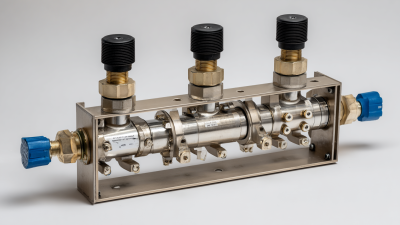
Choosing the right high pressure ball valve is crucial for your project. These valves control fluid flow effectively under high pressures. Knowing the specifications is important. Consider the size, materials, and design of the valve. A mismatch can lead to problems later.

When selecting a high pressure ball valve, think about your specific needs. The application, temperature, and pressure ratings matter. A valve that's too small may restrict flow. One made of unsuitable materials might fail under pressure.

Reflect on your choices. Have you considered the long-term performance? Not all high pressure ball valves are the same. Each has its advantages and drawbacks. Make informed decisions for the best results in your system.
How to Choose the Right High Pressure Ball Valve for Your Needs?

Understanding High Pressure Ball Valves and Their Applications

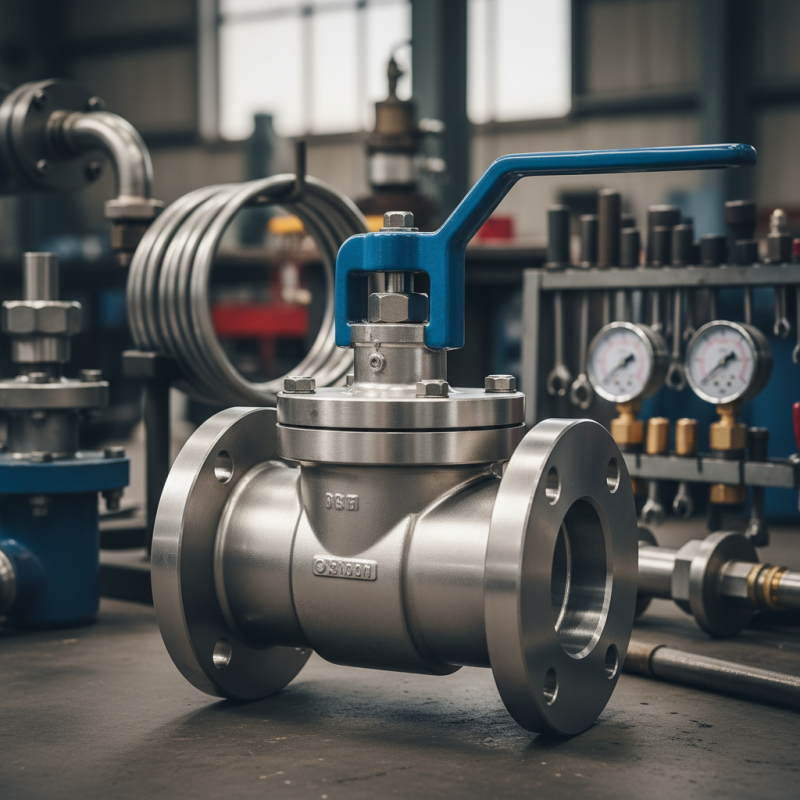
High pressure ball valves are crucial in various industries. They control the flow of liquids and gases under high-pressure conditions. These valves are commonly found in oil and gas, chemical processing, and power generation sectors. Understanding their functionality is vital for effective application.

Choosing the right ball valve requires careful consideration. Consider the material first. Common materials include stainless steel and carbon steel. Each interacts differently with substances flowing through. Also, evaluate the pressure ratings. Ensure the valve can handle the maximum pressure of your system. Some might require further testing to determine compatibility.

Applications can vary widely. In the oil industry, they manage crude oil transport. In chemical production, they control reactions and fluid transfers. However, improper selection can lead to failures, costly downtimes, or even safety hazards. Assessing your specific needs is essential but can be complex. It’s crucial to gather data and perhaps consult with experts for optimal results.
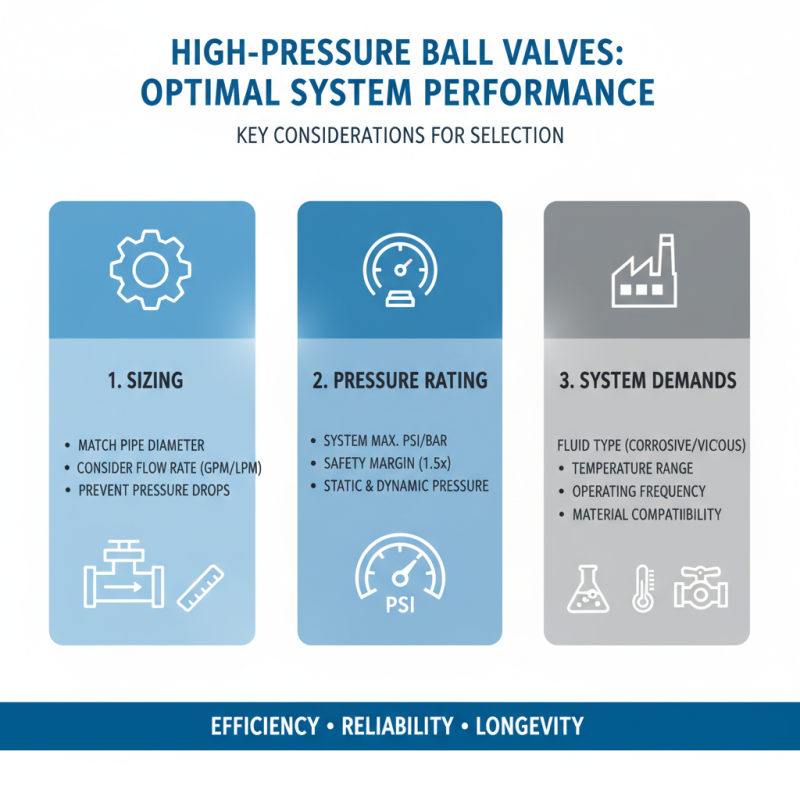
Key Considerations for Selecting High Pressure Ball Valves

When selecting high pressure ball valves, understanding your application is crucial. The pressure rating needs to match your system requirements. Standard pressure ratings usually range from 1000 psi to over 6000 psi for high pressure applications. For example, in the oil and gas industry, a significant number of valves operate at around 3000 psi during routine conditions.

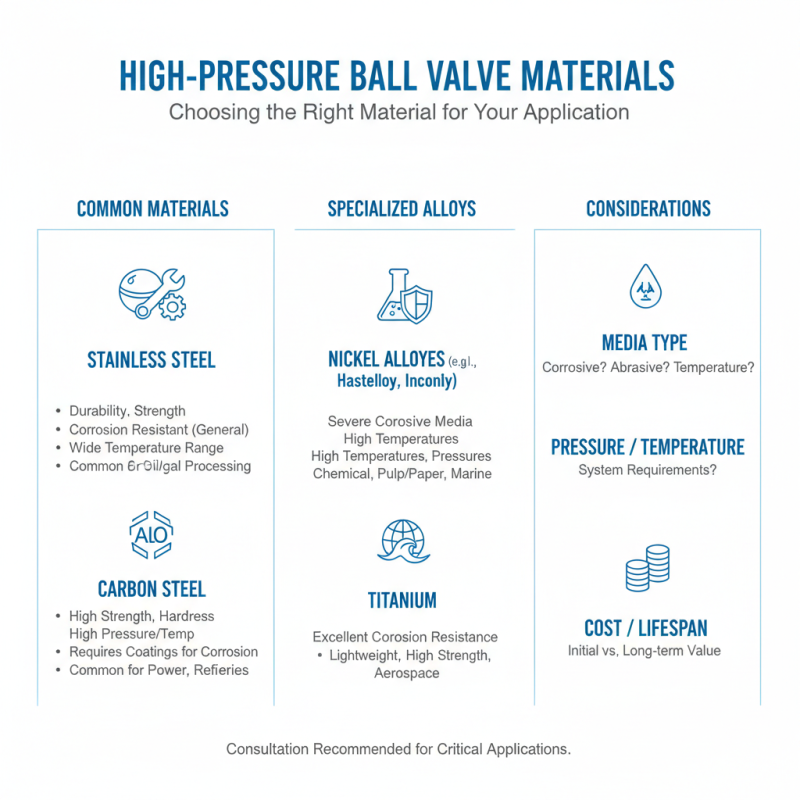
Material choice is another key factor. Many valves are made from stainless steel or carbon steel, suitable for various corrosive environments. According to industry reports, around 65% of valve failures result from material incompatibility. It’s vital to check compatibility with your fluid type. For example, acidic substances could corrode certain materials quickly, leading to leaks or failures.

Size and connection type shouldn't be overlooked. Sizing should favor flow efficiency without causing turbulence. Connection types like threaded, welded, or flanged each have unique benefits and drawbacks. Over 25% of reported issues arise from improper installation. Therefore, assessing the installation environment is essential. A well-documented maintenance plan can greatly reduce long-term issues.

How to Choose the Right High Pressure Ball Valve for Your Needs? - Key Considerations for Selecting High Pressure Ball Valves

Criterion Details Importance
Pressure Rating Choose a valve that matches or exceeds the maximum pressure of your application. Critical
Temperature Range Ensure the valve can withstand the operating temperature of the system. High
Size and Connection Type Determine the appropriate size and connection options for your piping. Essential
Material Select a material that is compatible with the fluid and the environment. Important
End Connections Check compatibility with existing piping systems (flanged, threaded, etc.). Important
Actuation Type Decide between manual, pneumatic, or electric actuation based on control needs. Moderate
Flow Characteristics Consider flow rates and direction requirements for system efficiency. Moderate

Materials and Construction: Selecting the Right Valve Design

How to Choose the Right High Pressure Ball Valve for Your Needs?

Choosing the right materials for a high pressure ball valve is crucial. Different applications require different materials. For example, stainless steel is commonly used for its durability. However, it might not be suitable for all environments. Corrosive settings may need specialized alloys.

Construction design also plays a pivotal role. The valve body must withstand pressure without deforming. A well-fitted sealing mechanism ensures no leaks. If the design is flawed, it can lead to failures. This might result in unsafe conditions. Users should consider the reliability of the construction.

Reflecting on these choices is important. Sometimes, the most affordable option can lead to higher maintenance costs later. Balancing initial costs with durability is not easy. Each application has its unique demands. It is wise to reassess material choices periodically to ensure longevity.

Sizing and Pressure Ratings: Ensuring Optimal Performance

How to Choose the Right High Pressure Ball Valve for Your Needs?

Choosing the right high pressure ball valve is crucial for your system's efficiency. Proper sizing and pressure ratings play a key role in achieving optimal performance. It’s not just about getting a valve that fits. You need to consider the entire system’s demands.

When sizing a valve, factors like pipe diameter and flow rate come into play. A valve that is too small can restrict flow, causing pressure drops. Conversely, a valve that is too large may lead to insufficient sealing and increased wear. This balance requires careful calculations. Sometimes, we may overlook the specifics in our haste to make a decision.

Pressure ratings are equally important. Each valve has a maximum pressure it can handle. Exceeding this limit can damage the valve and compromise system safety. Remember that different environments can affect pressure ratings. Temperature and media type play significant roles. So, one should routinely reassess these factors for ongoing projects. Recognizing these complexities will ensure long-term reliability and effectiveness of your valve choice.

Maintenance and Longevity: Keeping Your Valve in Top Shape

Maintaining a high-pressure ball valve is crucial for its longevity and performance. Regular inspections are key. Check for any signs of wear or damage. This can save you from unexpected failures. Look at the seals and handles. Sometimes, they may show signs of deterioration. Early detection can prevent bigger issues later.

Lubrication is another important aspect. Use the right lubricant to keep moving parts functioning smoothly. However, over-lubrication can attract dirt and grime. Avoid this common mistake. Cleaning the exterior and joints regularly helps too. It prevents corrosion and buildup that may impact performance.

Lastly, proper installation cannot be overlooked. An incorrectly installed valve can lead to leaks and operational issues. Ensure that the valve fits correctly according to system specifications. Double-check the tightness of all connections. Such diligence can significantly enhance the reliability of your high-pressure system. Keeping a regular maintenance log can help. It is essential for tracking any recurring problems. Regular adjustments and attention will keep your valve in top shape.