2026 How to Choose an Electric Actuated Ball Valve?
Choosing the right electric actuated ball valve is crucial for any industrial application. These valves control fluid flow efficiently. However, the decision can feel overwhelming. Various factors come into play, influencing your choice.
Consider the valve size. It must match your system requirements accurately. An improperly sized valve can lead to inefficiencies. Next, think about the material. Different materials withstand specific conditions better. Think about temperature and pressure. A wrong material can lead to failure.
Additionally, the actuator type matters. Different models offer varying response times and power sources. It’s essential to evaluate space constraints too. Sometimes, a compact design is necessary. Reflect on your needs and the environment. An ill-suited valve could result in costly repairs. Take the time to analyze every aspect. Your choice impacts operation and maintenance.
Understanding Electric Actuated Ball Valves
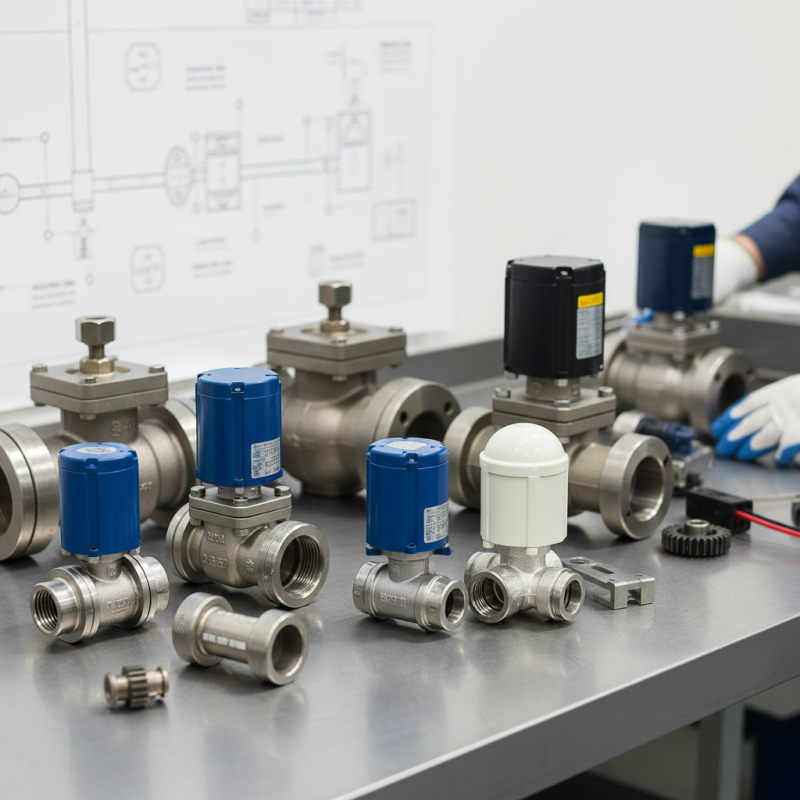
Electric actuated ball valves have gained popularity in various industries due to their efficiency and reliability. These valves use an electric motor to operate the valve's ball mechanism, allowing for precise control of fluid flow. Their design enables quick opening and closing, making them suitable for high-cycle applications. Industries like water treatment, chemical processing, and HVAC often find them beneficial.
When selecting an electric actuated ball valve, it's essential to consider certain factors. First, the valve's size should match the piping system to prevent leaks and ensure efficiency. Not all sizes fit all applications. The torque requirement can vary, depending on the fluid being handled. An underpowered actuator may lead to inadequate operation.
Another aspect to consider is the environment in which the valve will operate. Factors like temperature, pressure, and exposure to chemicals can all impact valve performance. Improper selections might result in failures or increased maintenance costs. It's a reminder that not all options are perfect for every situation. Engaging with qualified professionals can help eliminate uncertainties and guide you toward the best choice. There’s always a chance for improvement in the selection process.
2026 How to Choose an Electric Actuated Ball Valve?
Key Factors to Consider When Choosing Electric Actuators
When selecting
electric actuators for
ball valves, several key factors must be considered.
The torque requirements of the valve are critical. Make sure to match the actuator torque
with the valve's specifications. An actuator that lacks sufficient torque may fail to function properly.
Always check if the actuator can handle the maximum pressure and temperature ranges for your application.
Actuator speed is another important aspect.
Too fast of an actuator can cause water hammer,
while too slow can delay operation. Finding a balance ensures smooth operation.
In addition, think about control compatibility. Does the actuator fit into your existing control system?
You might need additional components if they aren’t compatible.
Don't forget about maintenance. Consider the actuator’s design for accessibility.
Complicated designs may lead to increased downtime during repairs. Reflecting on these factors will help you avoid
common pitfalls. Choosing the right electric actuator is not only about immediate need but also about
long-term efficiency and reliability.
Types of Electric Actuated Ball Valves and Their Applications
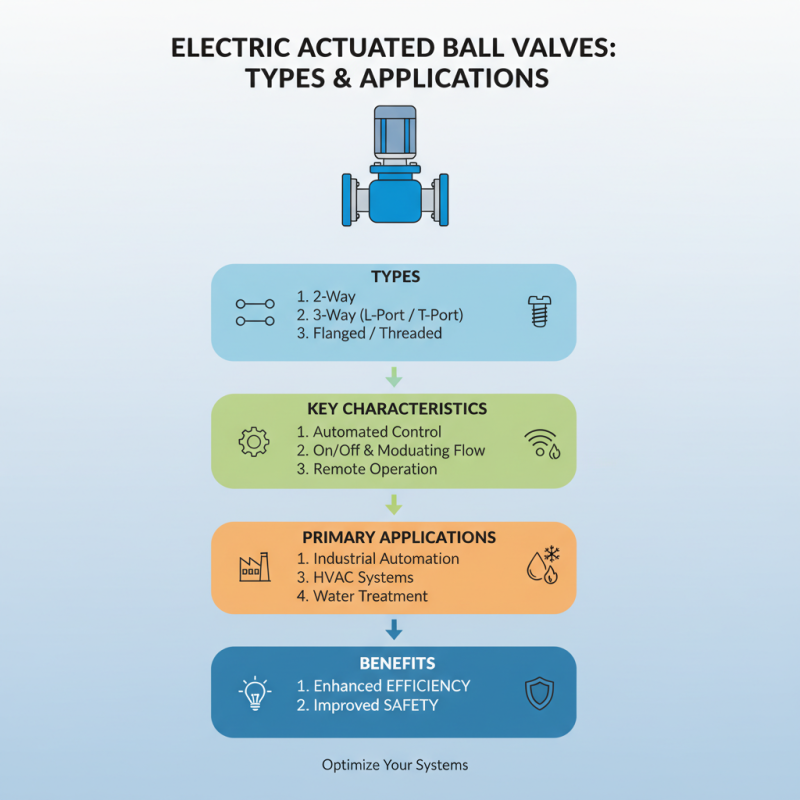
Electric actuated ball valves come in various types. Each type serves specific applications. Understanding these can enhance efficiency and safety in systems.
There are two main types: on-off and modulating. On-off valves control the flow completely. They are suitable for simple applications. Modulating valves offer more control over flow rates. They are ideal for processes requiring precise adjustments.
Material choice is crucial too. Common materials include stainless steel and brass. Each has different resistance to corrosion and temperature. Choose carefully based on the environment. Electric actuated ball valves are not perfect. Sometimes, there might be a delay in response. This can lead to issues if not monitored. Regular maintenance is critical to avoid performance drops.
Assessing Compatibility with Existing Systems and Specifications
When selecting an electric actuated ball valve, compatibility with existing systems is crucial. A recent industry report states that nearly 30% of installation failures stem from mismatched components. It’s essential to assess the specifications of your current setup. Fluid type, pressure ratings, and temperature ranges should be aligned with the valve’s capabilities.
Consider the control system as well. Compatibility with existing automation systems, such as PLCs and SCADA, can be a challenge. Some users report issues due to voltage or communication protocol mismatches. Collecting data on your current systems can help you choose the right valve. This often involves cross-referencing signal types and actuator specifications, ensuring they work together seamlessly.
Valves must also meet industry standards. Familiarize yourself with standards like ISO, API, or ANSI that apply to your application. Not adhering to these can lead to increased maintenance costs or operational failures. Many projects overlook this aspect, leading to unforeseen complications. Always validate your choices with exact data and consult with experts in the field. This step is necessary to prevent costly mistakes down the line.
Maintenance and Reliability Considerations for Electric Actuators
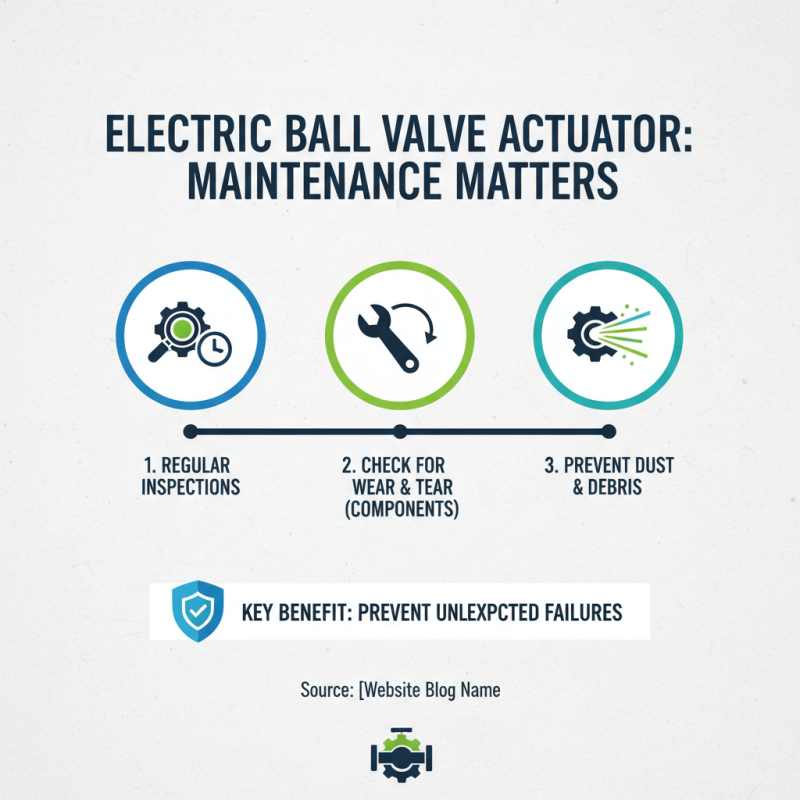
When considering electric actuators for ball valves, maintenance is key. Regular inspections can help prevent unexpected failures. Check for signs of wear and tear, especially in the actuator components. Dust and debris can lead to malfunction.
Tips: Keep a maintenance log. Document each inspection and service performed. This practice helps in anticipating future issues and ensures timely interventions.
Reliability is another critical aspect. Electric actuators tend to be more reliable than pneumatic ones due to fewer moving parts. However, fluctuations in power supply can pose a challenge. Ensure the power source is stable to maintain actuator performance.
Tips: Use surge protectors. They can safeguard your electric actuators against sudden voltage spikes. Consider installing them in critical applications.
Pay attention to environmental conditions as well. Factors like temperature and humidity can affect performance. Install actuators in suitable enclosures to mitigate these effects. Regularly check the conditions surrounding the valve. This way, you can anticipate problems before they arise.
Related Posts
-
How to Choose the Right Water Valve for Your Industrial Needs
-
Top 10 Electric Valve Benefits for Industrial Applications You Should Know
-
Understanding the Advantages of Electric Actuated Ball Valves in Modern Industrial Applications
-
Understanding the Mechanism Behind Ball Check Valves
-
Innovative Technologies Shaping the Future of Best Pneumatic Ball Valve Solutions and Strategies for Global Procurement
-
Global Excellence in Control Valve Manufacturing China Leads the Way