
Why Are Photovoltaic Connectors Essential for Solar Energy?

Photovoltaic connectors play a crucial role in the solar energy landscape. These connectors ensure the efficiency and safety of solar power systems. Their importance cannot be overlooked, especially as the demand for renewable energy grows.

In solar installations, photovoltaic connectors link solar panels to inverters and batteries. They must withstand various environmental conditions like heat, moisture, and UV exposure. A weak or faulty connector can lead to energy loss or even fire hazards. Data shows that poor connections are a common cause of system failures.

Not all photovoltaic connectors are created equal. Selecting the right type is vital for performance. It’s essential to understand technical specifications to avoid pitfalls. While some may take these components for granted, they are the backbone of reliable solar energy systems. As the industry evolves, better materials and designs are emerging, yet challenges remain.
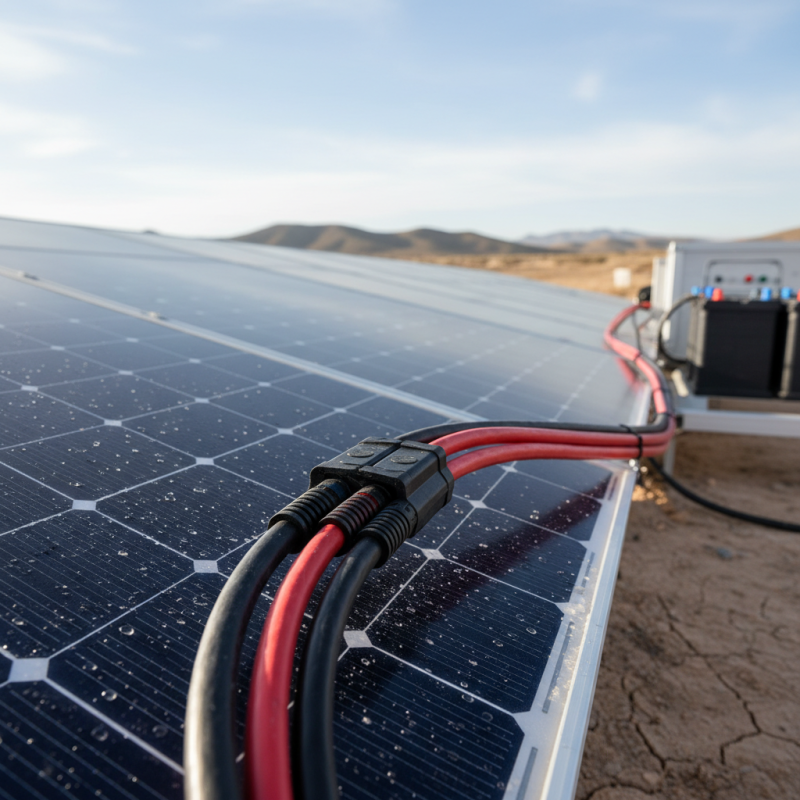
Why Are Photovoltaic Connectors Essential for Solar Energy?

The Role of Photovoltaic Connectors in Solar Energy Systems

Photovoltaic connectors play a vital role in solar energy systems. They ensure safe and efficient connections between solar panels and inverters. These connectors are responsible for transferring electricity generated by sunlight. A reliable connection is crucial for optimal performance.

Installing photovoltaic connectors requires careful attention. Improper connections can lead to power loss and potential safety hazards. It's important to adhere to guidelines and standards during installation. Regular maintenance is also essential. Over time, connectors can become corroded or loose. This can reduce the efficiency of the solar system.

Choosing the right connectors is not always straightforward. There are many options available, each with different ratings and specifications. It’s easy to get overwhelmed. Performance may vary based on environmental conditions. For instance, extreme temperatures can affect connector longevity. Reflection on the selection process is necessary to avoid costly mistakes.

Types of Photovoltaic Connectors and Their Applications

Photovoltaic connectors play a crucial role in ensuring efficient energy transfer in solar systems. There are various types of connectors, each suited for different applications. MC4 connectors are the most common in the solar industry. They provide a secure and waterproof connection, crucial for outdoor installations. According to a recent report from Solar Power Europe, over 90% of solar panel installations utilize MC4 connectors.

Another type gaining popularity is the H4 connector. It simplifies the wiring process and allows for quicker installations. A study published by the International Renewable Energy Agency indicated that faster installation times can reduce overall project costs by up to 15%. This is significant in regions where labor costs are high. However, the connector's design can sometimes lead to compatibility issues with older systems.

Moreover, off-grid solar installations often use Anderson connectors. They allow for easy disconnection in mobile applications, such as solar-powered vehicles or RVs. Yet, these connectors may not always provide the same durability as MC4 connectors in harsh environments. Industry reports suggest that flexibility in connector choice can lead to both innovative designs and potential vulnerabilities, highlighting the need for ongoing evaluation of connector performance.

Key Features and Benefits of Quality Photovoltaic Connectors

Photovoltaic connectors play a crucial role in solar energy systems. They ensure the reliable connection of solar panels to inverters and other components. This connection must endure harsh weather conditions, including extreme heat and heavy rain. Poorly designed connectors can lead to energy losses and safety concerns.

Quality photovoltaic connectors are designed with durability in mind. They are often rated for high voltage and current, ensuring efficient power transfer. Many connectors also feature locking mechanisms, preventing accidental disconnections. In the field, these details can drastically affect system performance. A loose connection can disrupt the entire solar energy flow.

Moreover, ease of installation is another key benefit. Quality connectors typically allow for quick assembly and disassembly. This feature is essential for maintenance and repair tasks. However, improper installation can lead to problems. Sometimes, users overlook the importance of following guidelines. They may rush the process, thinking it's straightforward, yet this can create future issues.

Challenges in Photovoltaic Connector Selection and Usage

Selecting the right photovoltaic connectors is challenging. The connectors play a critical role in electrical performance and system reliability. Inadequate selections can lead to significant losses. According to a recent industry report, improper connector choice can result in a 10% decrease in energy efficiency.

Many installers underestimate the importance of high-quality materials. For instance, connectors made from subpar plastics can fail under extreme weather. This leads to costly repairs and downtime. It's crucial to consider environmental factors during selection. Solar energy systems face diverse conditions, from heat to humidity.

Tips: Always check the temperature ratings and mechanical properties of connectors. Look for data sheets that offer detailed specifications. It’s essential to conduct field tests prior to full installation. Understanding the specific needs of your solar setup can mitigate future problems. Remember that not all connectors are created equal. Investing in the right components today saves money tomorrow.

Future Trends in Photovoltaic Connector Technology for Solar Energy

The future of photovoltaic connector technology is vibrant and evolving rapidly. As the solar industry expands, connectors play a crucial role in ensuring efficiency and reliability. According to a recent report, the global solar market is projected to grow at a compound annual growth rate (CAGR) of 20% from 2023 to 2030. This growth directly impacts the development of connectors, which must adapt to higher voltages and extensive installation scenarios.

One significant trend is the shift toward more robust and weather-resistant connectors. Advanced materials are being used to enhance durability. Statistics reveal that connectors account for about 10% of overall system failures. Thus, improving their reliability can significantly enhance solar panel performance. Technological advancements like push-in connectors are gaining traction. They offer easier installation and maintenance, effectively reducing labor costs.

Tips: Always choose connectors with sufficient voltage ratings. Ensure they meet environmental demands, especially in harsh climates. Regular inspections can prevent unexpected failures, extending the system's lifespan. The industry faces challenges, such as compatibility issues with older systems. Continuous innovation is essential to address these hurdles while maintaining quality and safety standards.