
Top 10 Artificial Lift Technologies in China What You Need to Know?
Artificial Lift Technologies play a crucial role in the oil and gas industry. In China, these technologies have gained significant attention due to their efficiency and adaptability. As the demand for oil continues to rise, optimizing extraction methods becomes essential.
The innovations in Artificial Lift Systems vary widely. Some methods excel in reducing operation costs while others improve output rates. However, not every technology suits every well. Understanding the specific needs of each project is vital. There is no one-size-fits-all solution. This complexity can lead to challenging decisions for operators.
While artificial lift technologies offer numerous benefits, challenges persist. Issues like equipment failure can disrupt production. Moreover, integrating new systems with existing ones is often problematic. These are just a few aspects to consider. A thoughtful approach is necessary for successful implementation.
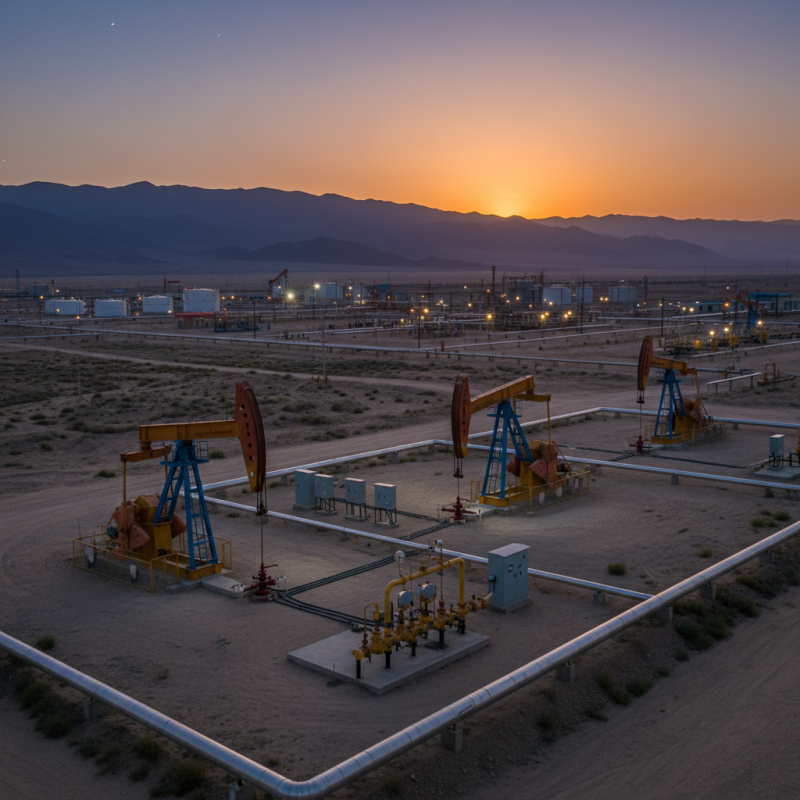
Overview of Artificial Lift Technologies in China
Artificial lift technologies play a crucial role in enhancing oil and gas production in China. These systems help to raise fluids from wells, especially in challenging environments. Various methods exist, each with specific applications and benefits.
In China, electrical submersible pumps (ESPs) are widely used. They are efficient for deep oil reservoirs. In contrast, gas lift systems excel in wells with fluctuating pressures. Rod lift systems remain popular for their simplicity and reliability in shallow wells. Other techniques, such as plunger lifts and multiple mechanical lift systems, also see application based on the specific needs of each well.
Tips: Always consider the well's characteristics before choosing a lift method. Evaluate factors like depth, fluid composition, and production rates. Some technologies may require extensive initial investment. However, they can increase long-term productivity significantly. Also, it’s essential to regularly monitor performance. This allows for timely adjustments if lift efficiency declines. In this evolving market, staying informed about new technologies and practices is vital.
Top 10 Artificial Lift Technologies in China
| Technology | Description | Application | Advantages | Challenges |
|---|---|---|---|---|
| Rod Pumping | A mechanical system that uses rods to lift fluid from wells. | Medium depth oil and gas wells. | Proven technology, low operational cost. | Requires regular maintenance and skilled operators. |
| Electric Submersible Pump (ESP) | A downhole pump system powered by electricity to move fluids. | Deep wells with high production rates. | High efficiency, suitable for large production. | High installation costs, depends on power supply. |
| Gas Lift | Injecting gas into the well to reduce liquid density and lift oil. | Wells with high gas-to-oil ratios. | Flexible operation, less moving parts. | Gas availability and segregation issues. |
| Progressive Cavity Pump (PCP) | A positive displacement pump suitable for viscous fluids. | Heavy oil production. | Handles high viscosity well, continuous flow. | Wear and tear, requires maintenance. |
| Hydraulic Pumping | Uses hydraulic energy to lift fluids from wells. | Heavy oil and deep well applications. | Efficient for very deep wells. | Complex setup and control systems. |
| Borehole Pumping | A specialized pump placed in the borehole to lift fluids. | Geothermal energy extraction. | Direct application, efficient in thermal wells. | Limited to borehole size and depth. |
| Plunger Lift | A type of lift that uses a plunger to bring fluids to the surface. | Gas wells with intermittent flow. | Low operating costs, simple design. | Operational limits and potential for plunger sticking. |
| Submersible Motor Pump | Combines a pump and motor in one unit submerged in the fluid. | Water wells and light crude oil extraction. | Compact design, efficient operation. | Limited depth, potential for motor overheating. |
| Screw Pump | A positive displacement pump that uses screws for fluid transport. | Heavy oil and industrial applications. | Consistent flow, handles high viscosity fluids. | Complex and expensive to maintain. |
| Foam Lift | Utilizes gas and liquid to create foam for lifting fluids. | Wells with high water cut and gas injection strategies. | Reduces fluid density, increases lift efficiency. | Requires careful monitoring and control. |
Key Types of Artificial Lift Systems and Their Applications
Artificial lift technologies play a crucial role in oil production. In China, various systems are implemented to enhance extraction efficiency. Common types include beam pumps, electric submersible pumps (ESPs), and gas lift systems.
Beam pumps are widely used in mature oilfields. They can operate effectively in environments with high viscosity. Such systems often handle low production rates. The selection of the right beam pump impacts overall productivity. According to industry reports, beam pumps account for about 30% of artificial lift installations in China.
Electric submersible pumps are another key technology. These pumps can reach deeper reservoirs. They are versatile and suitable for various production scenarios. Reports suggest that ESPs represent nearly 40% of the total artificial lift applications in the region. They provide high efficiency but may face challenges in terms of maintenance.
Gas lift systems allow for flexible production control. They are particularly effective in declining fields. This system uses injected gas to reduce fluid density. Effective gas injection can significantly increase production rates. A notable study indicates that the implementation of gas lift can boost oil recovery by 20% in certain cases.
Tip: Choose the right system based on well conditions. Regular maintenance can prolong operational life.
Tip: Monitor performance data rigorously. Adjustments may be necessary to optimize production.
Current Trends and Innovations in China's Artificial Lift Market
Artificial lift technologies are evolving rapidly in China. The demand for efficient oil recovery is growing. This has led to a surge in innovation. Among the techniques, electrical submersible pumps and gas lift systems are standing out. These methods help increase production rates in mature fields.
Current trends show an increasing focus on automation and digitalization. Data analytics are now being applied to optimize operations. This shift can potentially reduce costs and enhance output. However, implementing these technologies can be challenging. Not every operator can adapt quickly enough. There is a skill gap in understanding advanced systems.
Environmental concerns also play a crucial role. Companies are under pressure to minimize their impact. This has sparked interest in greener solutions within the industry. Some firms are exploring alternative energy sources to power artificial lift systems. Yet, the transition isn't straightforward. Balancing efficiency and sustainability remains a complex issue.
Challenges Facing Artificial Lift Technologies in China
Artificial lift technologies in China play a vital role in enhancing oil production. However, these technologies face several challenges that require urgent attention. One major issue is the lack of skilled labor. As industries adopt advanced equipment, finding qualified technicians becomes harder. Many workers lack the necessary training, leading to inefficiencies.
Another challenge revolves around aging infrastructure. Many production sites rely on outdated systems, hindering efficiency. These older facilities can't easily integrate new technologies. Maintenance costs rise, causing financial strain. Additionally, unpredictable geological conditions further complicate operations. Environmental considerations also limit access to certain areas, making it difficult to deploy artificial lift systems effectively.
Investment in research and development is crucial. However, funding often falls short. This limits innovation and adaptation in the field. Collaboration between industry and academia could enhance knowledge sharing. But, cultural gaps may exist, affecting partnerships. Addressing these issues is key for the future of artificial lift technologies in China.
Future Prospects for Artificial Lift Development in China
The future of artificial lift development in China is a dynamic topic. As oil and gas extraction evolves, the need for efficient lifting technologies becomes crucial. Current technologies like electrical submersible pumps and gas lift systems are widely used. However, there is room for innovation and improvement. Many companies are investing in research and development. They are exploring new materials and smart technologies.
Challenges remain in the deployment of these technologies. Some regions have unique geological conditions. These factors can complicate the effectiveness of traditional methods. Solutions must be tailored to specific environments to enhance performance. Data analysis and predictive maintenance are also gaining traction in the industry.
There's a growing focus on sustainability. The industry acknowledges its impact on the environment. New methods that reduce emissions and increase efficiency are in demand. This marks a significant shift in the way artificial lift technologies are perceived. Embracing these changes will be essential for future success. Continuous learning and adaptation will play key roles in this transformation.
Top 10 Artificial Lift Technologies in China
This chart illustrates the relative usage of various artificial lift technologies in China, highlighting their importance in the oil and gas industry. The data showcases the percentage of application for each technology, emphasizing the leading solutions driving productivity and efficiency.