
What is a Water Pump Casing and How Does it Work?

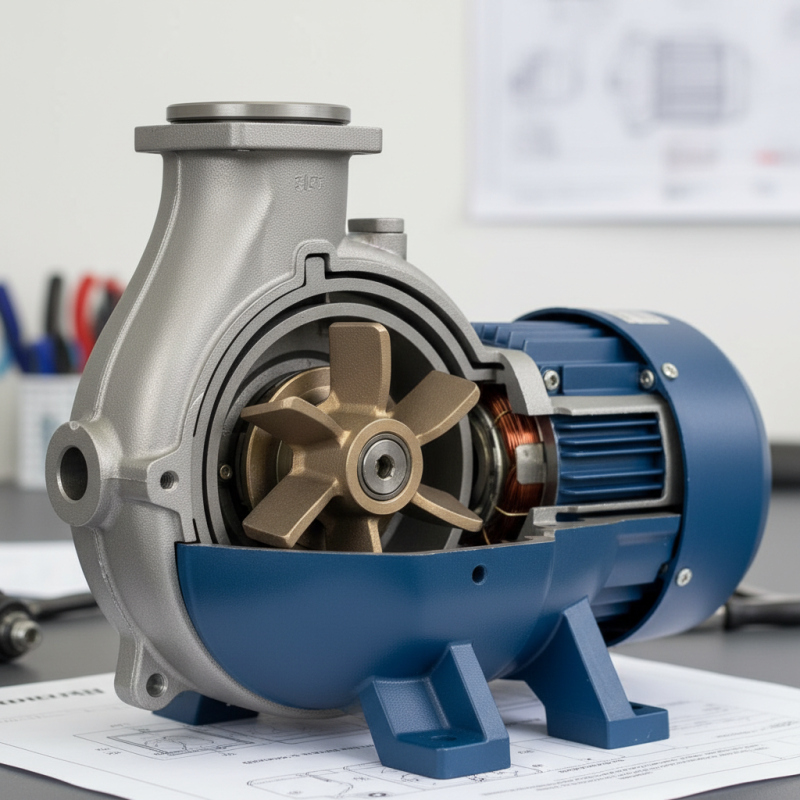
A water pump casing is a vital component in pump systems. It serves as a protective shell, housing critical parts like the impeller and motor. The design of the water pump casing influences the pump's efficiency. It also plays a key role in managing internal pressure and flow rates.

Understanding how the water pump casing functions is essential. This component not only contributes to the overall performance but also affects durability. A poorly designed casing can lead to leaks and inefficiencies. The material chosen for the casing impacts its strength and lifespan.

Water pump casings come in various materials like cast iron and plastic. Each material has its pros and cons, influencing cost and performance. Many people overlook the significance of a water pump casing. This often leads to unexpected repairs and maintenance issues. Reflecting on the role of the casing helps in better selection and maintenance choices.
What is a Water Pump Casing and How Does it Work?

What is a Water Pump Casing?

A water pump casing is an essential component of a water pump. It serves as the outer shell that holds all the internal parts together. The casing is usually made of metal or high-quality plastic, designed to withstand pressure from the water being pumped. This sturdy design ensures durability and reliability. The shape of the casing can greatly affect the pump's efficiency.

Inside the casing, impellers and seals work to move water through the system. The impeller rotates, creating a centrifugal force that pushes water out of the casing. This mechanism is fascinating, showcasing how engineering translates energy into fluid movement. Yet, the design can be complex. Small flaws in the casing can lead to leaks or inefficiencies.

Maintaining the water pump casing is crucial. A damaged casing can result in significant performance issues. Regular inspections are necessary, yet often overlooked. Users may forget this step. Understanding the function of the casing helps in recognizing its importance. A little attention can save substantial costs in repairs down the line.

Key Components of Water Pump Casings

Water pump casings are crucial for efficient water movement. They house key components that keep the pump operating smoothly. The casing itself is designed to withstand pressure while directing water flow. One might think it is just a shell, but it plays a vital role.

The impeller is one of the main components found inside a water pump casing. It spins and creates the suction needed to pull water into the pump. Additionally, the casing has volute design, allowing for easier fluid dynamics. This design influences efficiency and pressure build-up. Small changes in these components can greatly affect performance.

Seals and gaskets also play important roles in the casing. They prevent leaks and maintain pressure inside the system. Poorly installed seals can cause problems. Another aspect to consider is the material of the casing. Metal and plastic options exist, each with pros and cons. Not every material is perfect for every situation, and sometimes compromises are made.

What is a Water Pump Casing and How Does it Work? - Key Components of Water Pump Casings

Component Description Function Material
Pump Casing Encloses the internal components of the pump Contain fluid and create pressure Cast iron, stainless steel
Impeller Rotating component that moves fluid Increase the velocity of the fluid Plastic, bronze, stainless steel
Volute Spiral casing that collects fluid from the impeller Convert velocity into pressure Cast iron, aluminum
Suction and Discharge Ports Inlet and outlet for fluid flow Allow for fluid entry and exit Steel, PVC
Bearings Support and align the rotating shaft Reduce friction during operation Bronze, ceramic

The Functionality of Water Pump Casings in Fluid Dynamics

Water pump casings play a crucial role in fluid dynamics. They not only house the pump's components but also streamline the flow of water. According to industry reports, an efficient casing can improve hydraulic performance by up to 30%. This efficiency directly affects energy consumption and overall system effectiveness.

The design of a water pump casing impacts how fluid moves through the system. A well-structured casing reduces turbulence, enhancing the flow rate. Data shows that improper casing design can lead to cavitation. This phenomenon increases wear on components, causing maintenance challenges. Surprisingly, up to 70% of pump failures stem from issues related to cavitation.

However, the variation in materials used complicates the issue. Some casings are manufactured from plastics, while others are metallic. Each material brings distinct advantages and drawbacks. Engineers often wrestle with selecting the right material. Cost, durability, and thermal resistance all come into play. Finding a balance isn't always straightforward, leading to potential inefficiencies in the design process.

Types of Water Pump Casings and Their Applications

Water pump casings play a crucial role in various applications. They house the internal components and ensure that water flows efficiently. Different types of casings are designed for specific purposes.

Centrifugal pump casings are common in many systems. They use impellers to increase water pressure. These casings can handle large volumes. Another type is the positive displacement casing. It moves water by trapping a fixed amount and forcing it out. This type is often used in firefighting and irrigation systems.

Each casing type comes with its advantages and challenges. Some may corrode over time, causing leaks. Operators need to monitor for wear and replace components as needed. Understanding the specific application helps in choosing the right casing. It’s not always easy, and mistakes can be costly.

Maintenance and Troubleshooting for Water Pump Casings

Water pump casings play a critical role in the overall function of water pumps. They house the internal components and help in directing water flow. However, they are not immune to issues. Regular maintenance is essential for their longevity. Common problems include leaks and cracks. A simple visual inspection can help identify visible damage.

Troubleshooting starts with checking for unusual sounds. Odd noises may indicate internal wear or misalignment. If water leaks are present, the seals may need replacing. Ensure all bolts and fasteners are tight. Loose connections can worsen leaks and cause more significant damage.

Periodically cleaning the casing also helps. Debris buildup can hinder performance. It’s worthwhile to consider the environment where the pump operates. Harsh conditions can accelerate wear. Sometimes, reflection on maintenance routines reveals missed opportunities. Recognizing when to seek professional help is essential for effective management.