
What is a Waterproof Micro Switch and How Does It Work?

Waterproof Micro Switches are essential components in various industries. They play a crucial role in ensuring operational reliability in wet environments. According to a recent market report, the demand for waterproof micro switches is projected to grow significantly. This growth reflects the increasing reliance on automation in sectors like automotive and industrial equipment.

In many applications, improper sealing can lead to failure. Such failures can result in costly downtime and safety hazards. A Waterproof Micro Switch is designed to withstand moisture and dust. This ensures long-term functionality even in challenging conditions. Reports indicate that over 30% of equipment failures are related to moisture. This statistic highlights the importance of using reliable components.

The technology behind these switches focuses on durability and performance. They are built to ensure optimal operation when exposed to water and temperature fluctuations. However, not all waterproof switches are created equal. Some may not meet the required standards. It’s vital for users to assess specifications carefully. Only then can they find a truly reliable Waterproof Micro Switch suitable for their needs.
What is a Waterproof Micro Switch and How Does It Work?

Definition of Waterproof Micro Switch and Its Importance

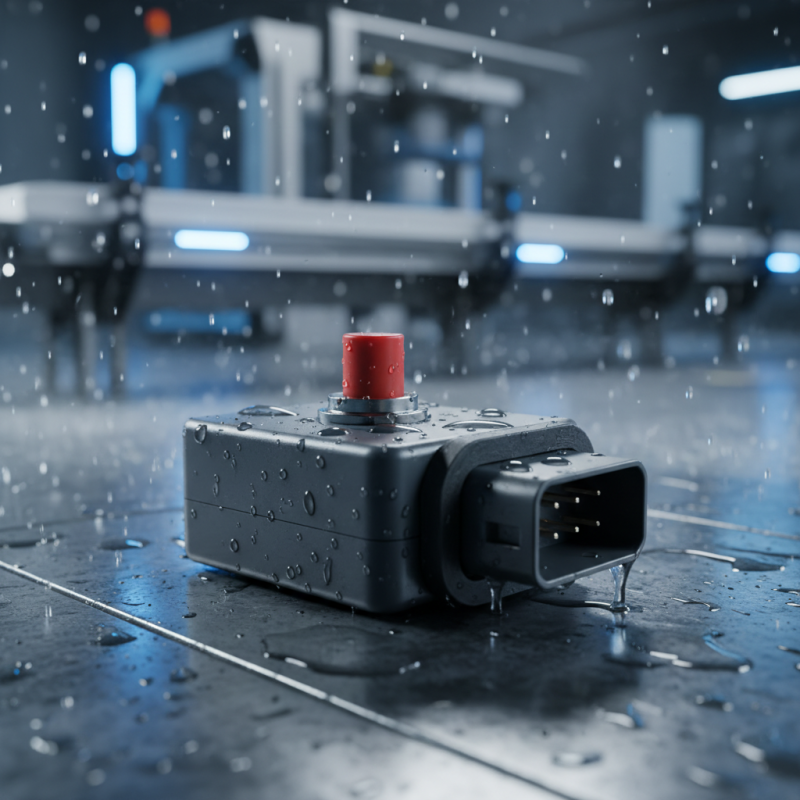
A waterproof micro switch is a vital component in various applications. It is designed to function effectively in wet or humid environments. Unlike standard micro switches, these switches have enhanced sealing mechanisms. This ensures water and debris cannot penetrate their internal workings. It is crucial in industries like automotive, marine, and outdoor equipment.

The primary importance of a waterproof micro switch lies in its durability. In environments exposed to moisture, regular switches may fail quickly. A failing switch can lead to operational delays or equipment malfunctions. This can result in significant downtime and increased repair costs. Choosing the right switch can be challenging. Some might focus only on price, overlooking quality or durability. This can lead to recurring issues and unreliable performance.

Waterproof micro switches provide peace of mind. They help ensure systems run smoothly, even in challenging conditions. Investing in high-quality components enhances reliability and safety. Additionally, these switches require regular maintenance. Neglect can lead to premature failure, even in waterproof models. Regular checks help identify wear and tear that could compromise performance.

Waterproof Micro Switch Usage Across Industries

Components and Design Features of a Waterproof Micro Switch

Waterproof micro switches are designed with specific components that ensure durability and resistance to water. Typically, they consist of a sealed housing made from materials like plastic or metal. This housing protects the internal mechanisms from moisture, dust, and contaminants. The contacts within are made from corrosion-resistant materials to enhance longevity.

When it comes to design features, waterproof micro switches usually have a rubber or silicone gasket. This prevents water ingress around the actuator. The actuator itself often features a tactile response, enabling users to feel when the switch is engaged. These switches are commonly used in outdoor equipment and appliances exposed to harsh conditions.

Tips: When selecting waterproof micro switches, check the IP rating. An IP rating indicates how well the switch can resist water and dust. Also, consider the environmental conditions it will face. Each application may require a different type of switch.

Remember, not all waterproof switches are made equal. Sometimes, the seal might wear out over time. Regular inspection is crucial to ensure reliability. If a switch fails, it can lead to equipment malfunction. Always be prepared for unexpected failures and have a backup plan.

Operating Principles: How a Waterproof Micro Switch Functions

Waterproof micro switches are designed to withstand exposure to moisture and dust. They are crucial in environments where standard switches might fail. These switches contain a flexible membrane that protects the internal components. When pressure is applied, the membrane compresses, activating the switch.

Operating principles of a waterproof micro switch involve both mechanical and electrical aspects. When a user presses the switch, a metal lever or actuator moves. This movement creates a connection, completing an electrical circuit. The unique sealing mechanism prevents water or debris from interfering with the operation. It's a simple yet effective solution for challenging conditions.

Tips: Ensure the switch is rated for its specific application. Inspect the housing regularly for wear. Even small cracks can lead to water ingress. Remember, a poorly sealed switch may fail when you need it most. Consider environmental factors during installation to enhance performance and longevity.

What is a Waterproof Micro Switch and How Does It Work?

Feature Description Application
Waterproof Rating Typically rated IP67 or higher, protecting against water immersion. Used in outdoor applications like automotive and marine devices.
Operating Principle Uses a mechanical lever or button that opens or closes an electrical circuit. Found in appliances and devices requiring precise control in wet environments.
Materials Constructed with corrosion-resistant materials like stainless steel and plastic. Ideal for industrial and outdoor equipment.
Electrical Ratings Common ratings include 5A, 10A, 15A at 120V or 240V AC. Used in various electronic devices needing reliable switching.
Actuation Force Designed to operate with minimal force, enhancing user experience. Utilized in handheld devices and machinery where ease of use is critical.

Common Applications of Waterproof Micro Switches in Various Industries

Waterproof micro switches are essential in numerous industries. They excel in environments where moisture and dust are prevalent. According to a recent market analysis, the global demand for such switches is projected to grow by 5.4% annually through 2028. This trend is driven by sectors like automotive and consumer electronics.

In the automotive industry, waterproof micro switches are often used in electronic systems that face exposure to water. For example, they may be employed in safety controls for windshield wipers or headlights. Additionally, in the marine sector, these switches are crucial for ensuring functionality in challenging weather conditions. Reliable operation is paramount. It’s not uncommon for malfunctioning equipment to lead to significant safety risks.

Consumer electronics also rely heavily on these switches. Devices with touch-sensitive controls often incorporate waterproof micro switches. They enhance durability and usability. Studies indicate that about 70% of consumers prefer products that offer enhanced resistance to water. Yet, some designs do not meet the necessary standards, resulting in failures. This highlights the need for continual improvement in manufacturing processes and materials. The industry is evolving, but there remains room for better quality control.

Maintenance and Troubleshooting Tips for Waterproof Micro Switches

Waterproof micro switches are essential in many applications, especially in harsh environments. These switches can handle moisture, dust, and other contaminants. Regular maintenance is crucial to ensure they function correctly over time.

One effective maintenance strategy is to regularly clean the switch housing. Dirt and grime can accumulate, affecting performance. Using a soft cloth or brush is best for removal. Additionally, inspect the seal integrity. A compromised seal can allow water ingress, leading to failure. According to industry reports, nearly 12% of micro switch failures stem from water exposure. Ensuring proper sealing can significantly enhance durability.

Troubleshooting is also important. If a switch shows erratic behavior, check for corrosion on terminals. Corrosion can lead to poor connectivity. Another common issue is mechanical wear. Over time, internal components may degrade. It’s advisable to replace the switch if wear is visible. Regular inspections can prevent unforeseen breakdowns. Remember, neglecting these small issues can lead to larger problems down the line.